November 1, 1975
CHSSC History
CHSSC Founded
 After two years of planning by three founders, Paul Louie, William Mason, and Paul De Falla, CHSSC holds its first meeting in the basement of Cathay Bank in Los Angeles Chinatown. Stan Lau is elected as the first president.
1976
Lang Station Historical Marker
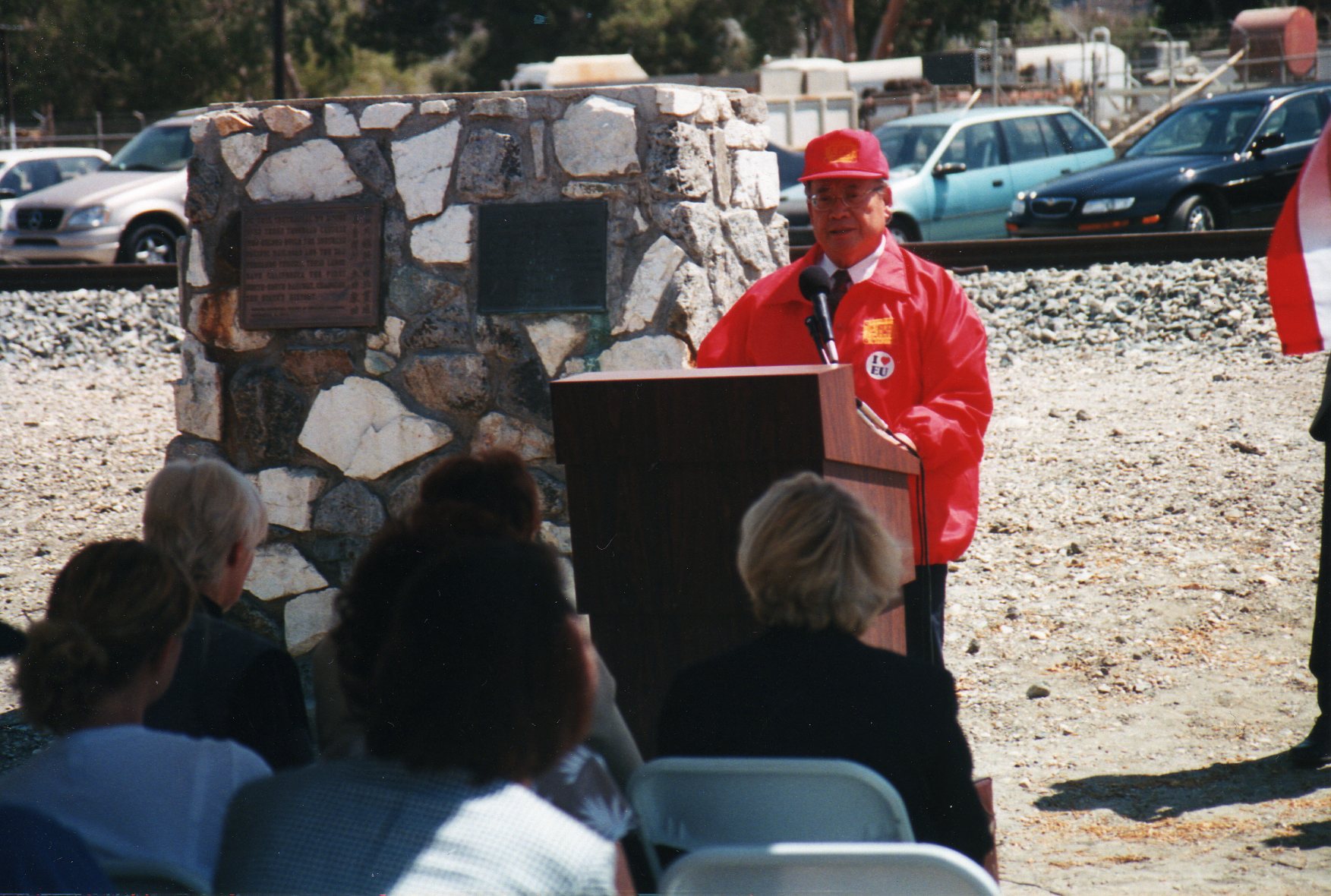
With the Santa Clarita Valley Historical Society, CHSSC co-sponsors the installation of the Lange Station historical marker commemorating the Chinese railroad worker's contributions to the Southern Pacific line connecting San Francisco and Los Angeles and the centennial of the Western Golden Spike ceremony. Chuck Yee leads a walk through the 1.25 mile San Fernando Tunnel, built by Chinese workers 100 years earlier.
1976
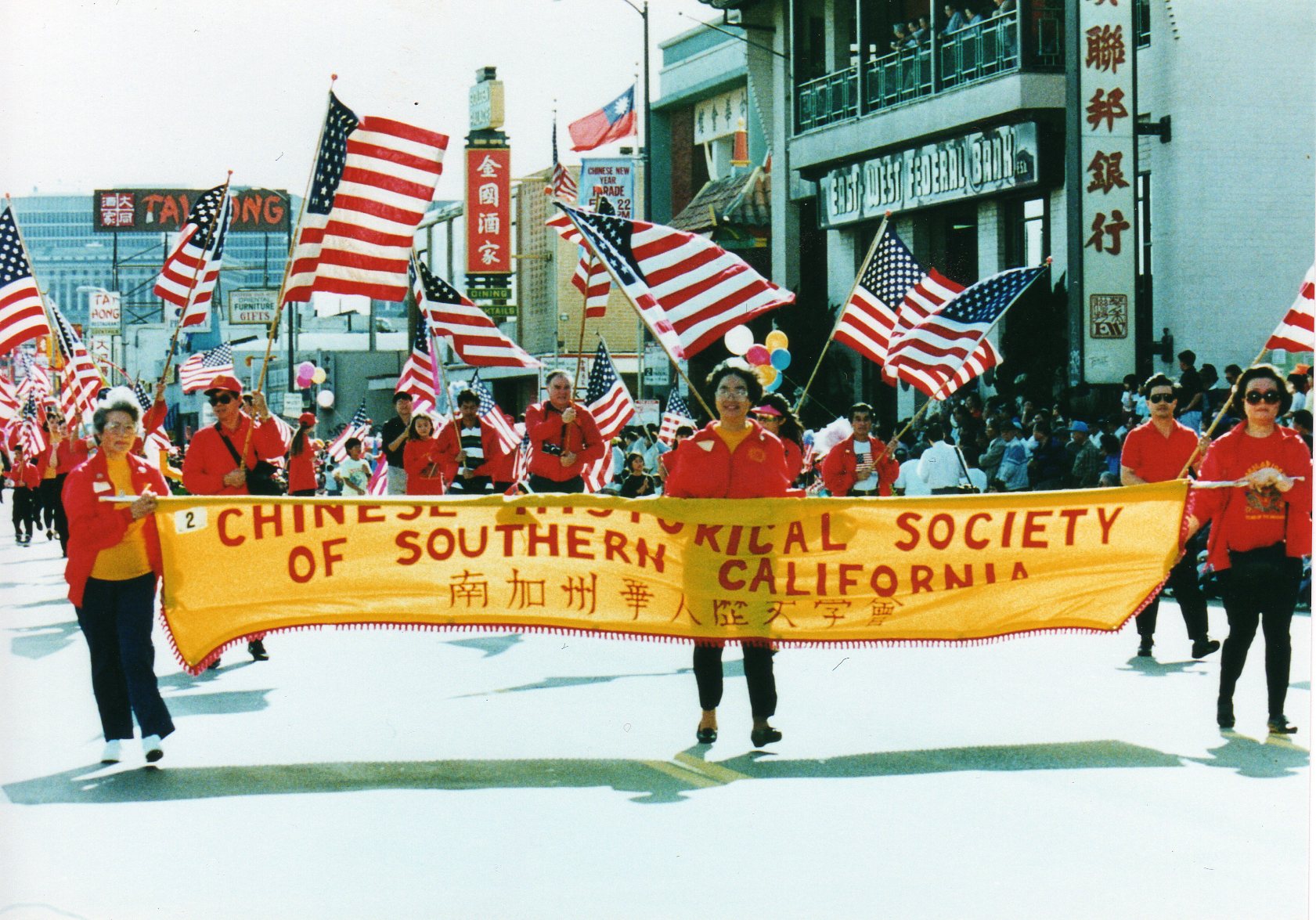
Flag Brigade for Los Angeles Lunar New Year Parade
Led by the Yee brothers, CHSSC organizes a flag brigade and marches in the Chinese Chamber of Commerce's Lunar New Year parade in Los Angeles Chinatown for the first time. CHSSC has continued to lead the parade since then.
1976
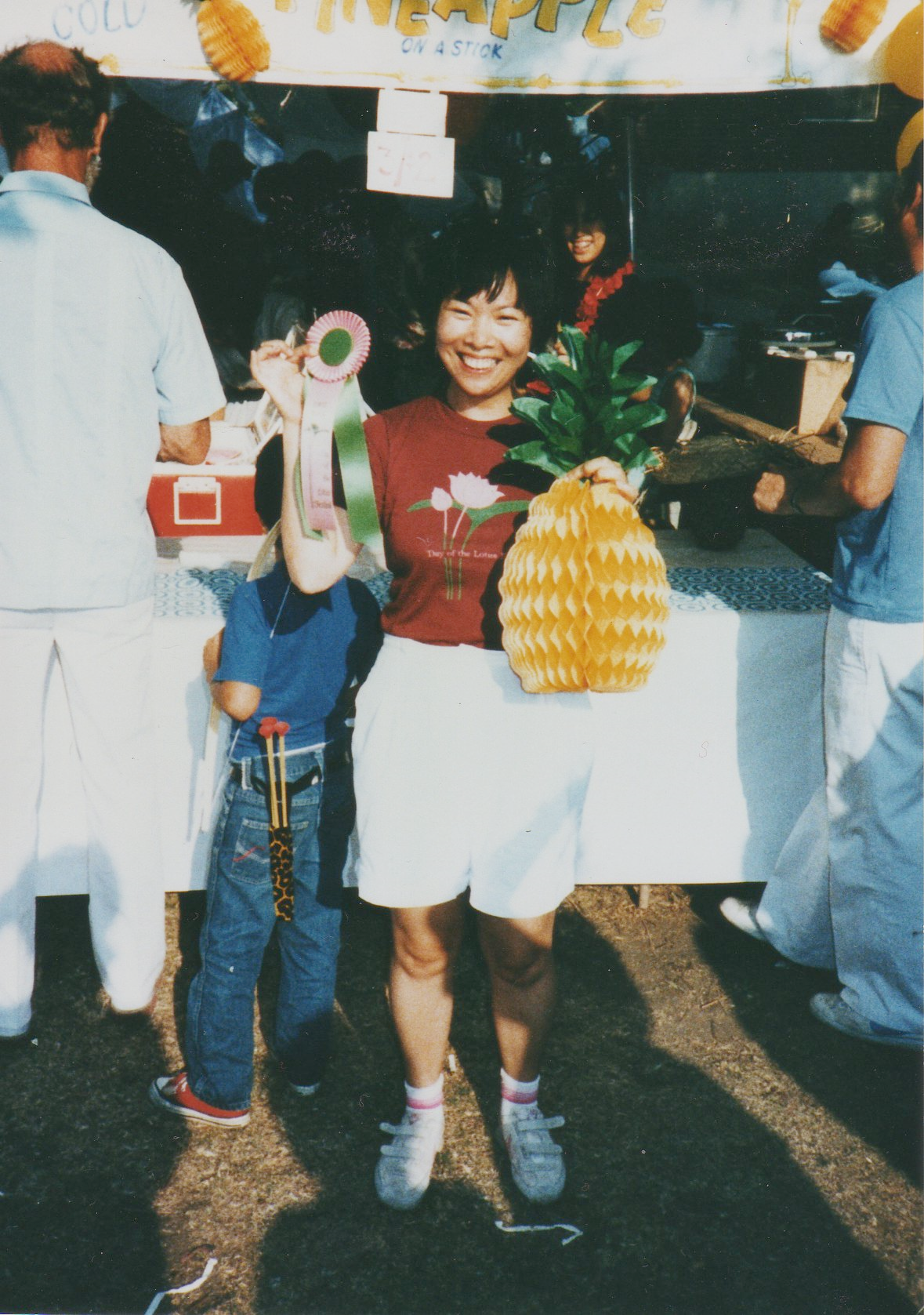
First Lotus Festival Participation
CHSSC joins the Lotus Festival at Echo Park under the leadership of Helen Lim Young and Ella Quan.
1979
Southern California Chinese American Oral History Project
In collaboration with Dr. Lucie Cheng and the Asian American Studies Center at UCLA, CHSSC, led by Suellen Cheng and Munson Kwok, complete an oral history project that interviewed 165 Chinatown community members.
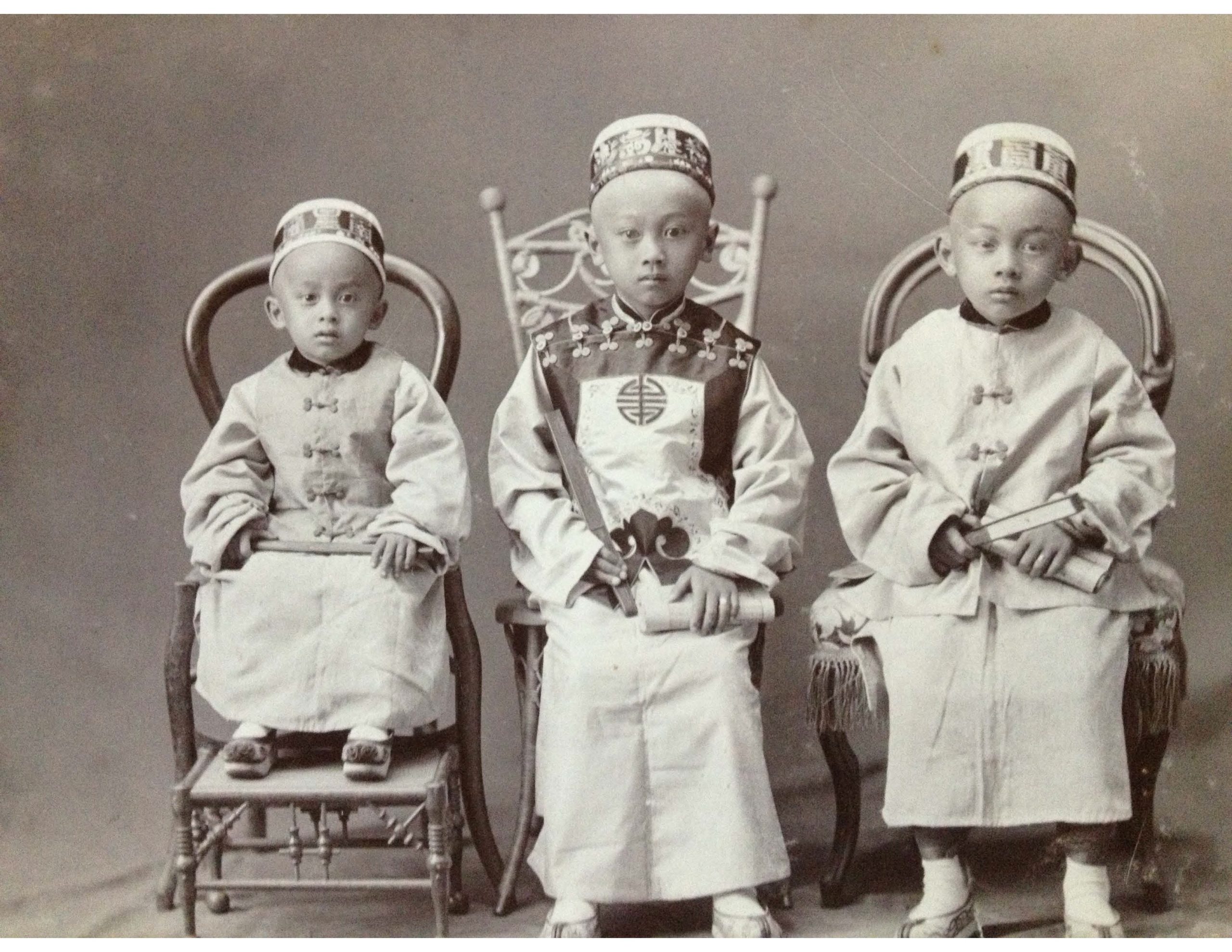
Image Courtesy of Peter Soo Hoo Jr.
1979
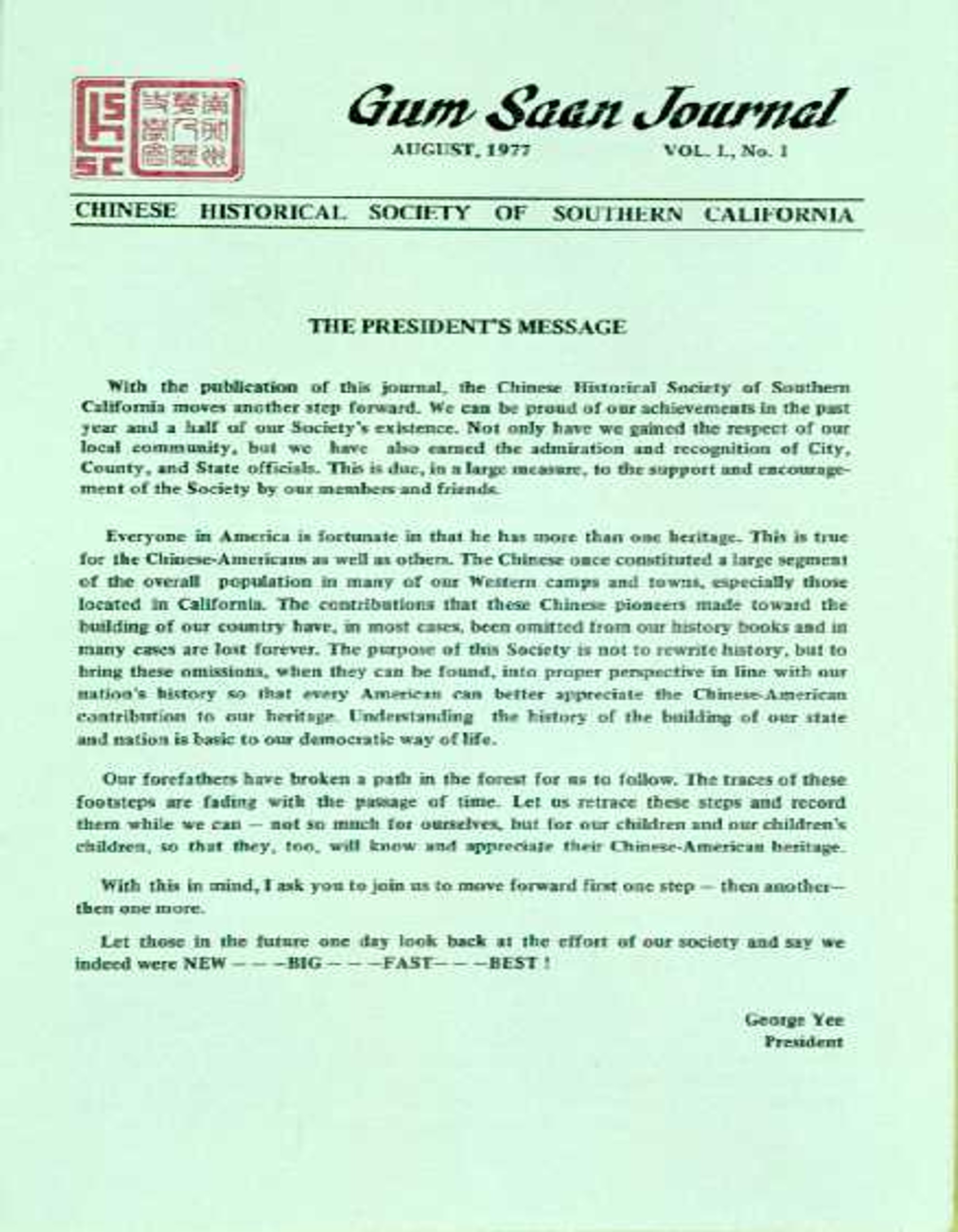
First Gum Saan Journal Published
1980
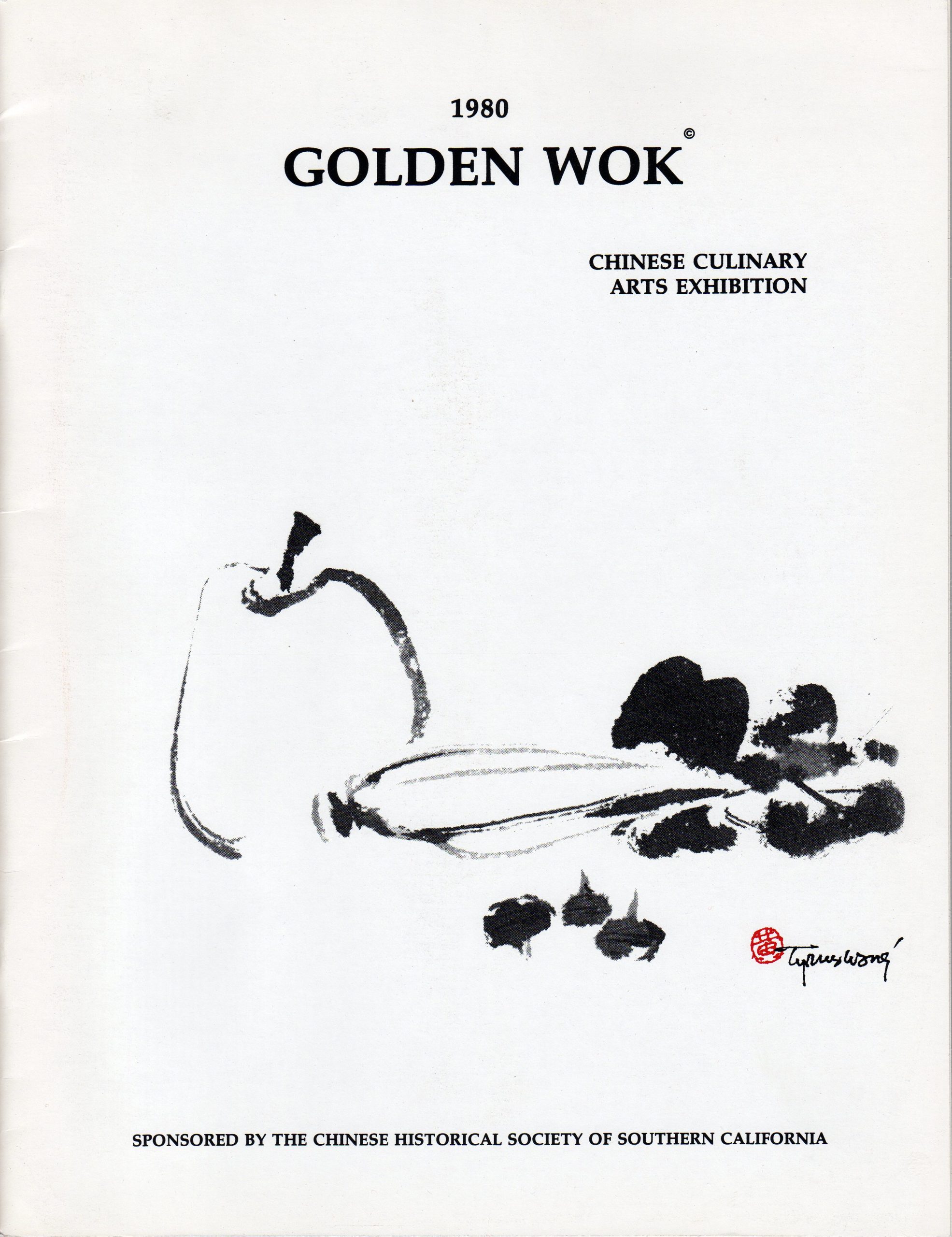
Golden Wok Cooking Competition
CHSSC and Stan Lau organize the Golden Wok cooking competition, held at Los Angeles Department of Water and Power headquarters. Margie Lew and Ruth Wong edit a Chinese cookbook with recipes for the competition.
1980
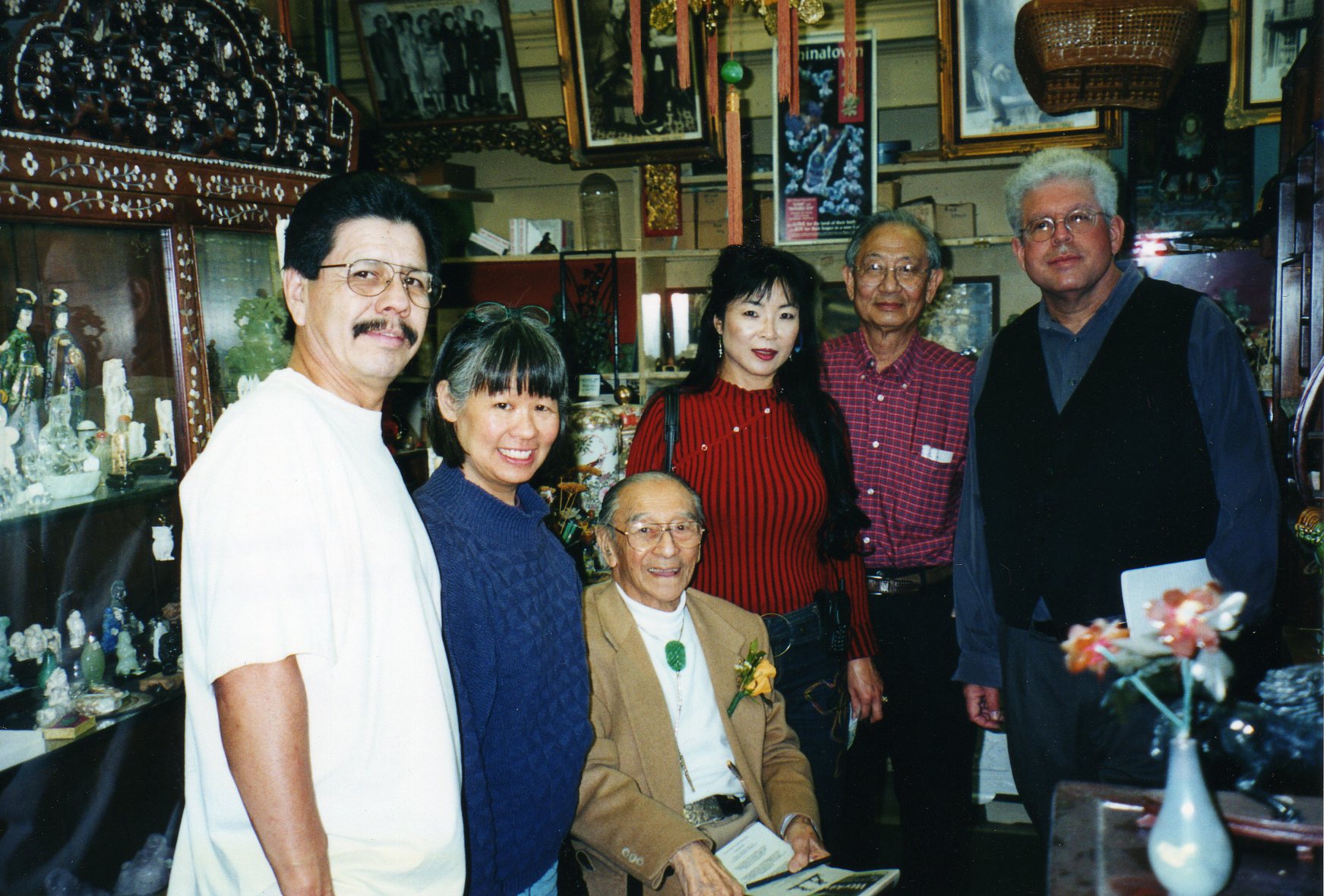
CHSSC Organizes a Field Trip to Tour Chinese American Sites Near San Luis Obispo
1981
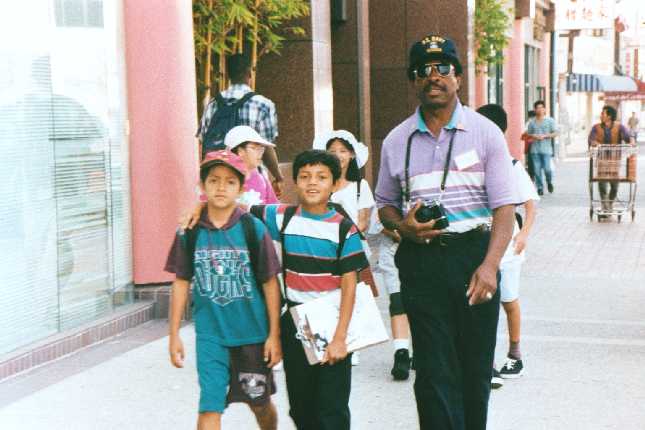
Walking Tour of Los Angeles Chinatown established
CHSSC developed and implemented the Walking Tour Program of Los Angeles Chinatown which is still active today.
1984
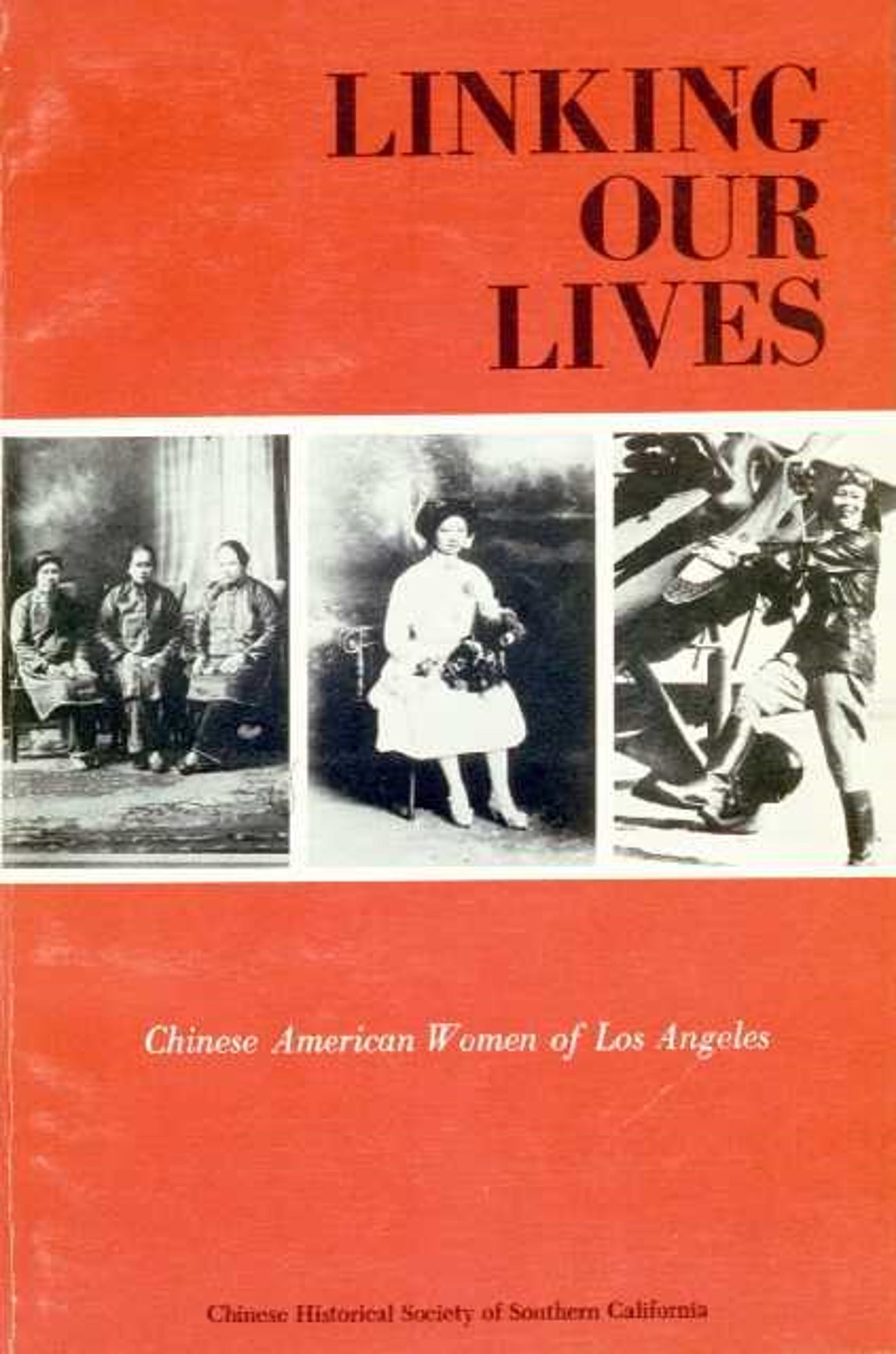
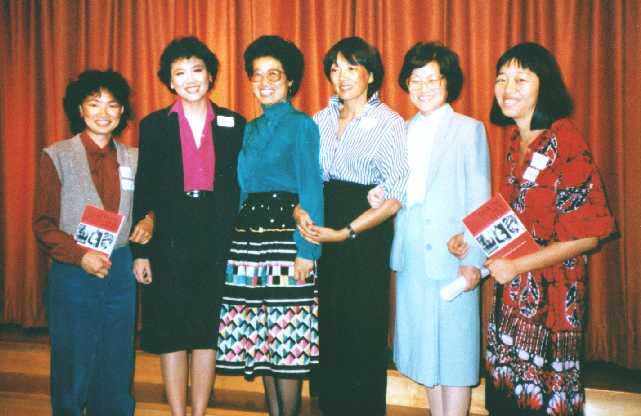
First Book Published, Linking our Lives
In conjunction with the Asian American Studies Center at UCLA, CHSSC publishes its first book, Linking our Lives, about Chinese American women in Los Angeles.
1985
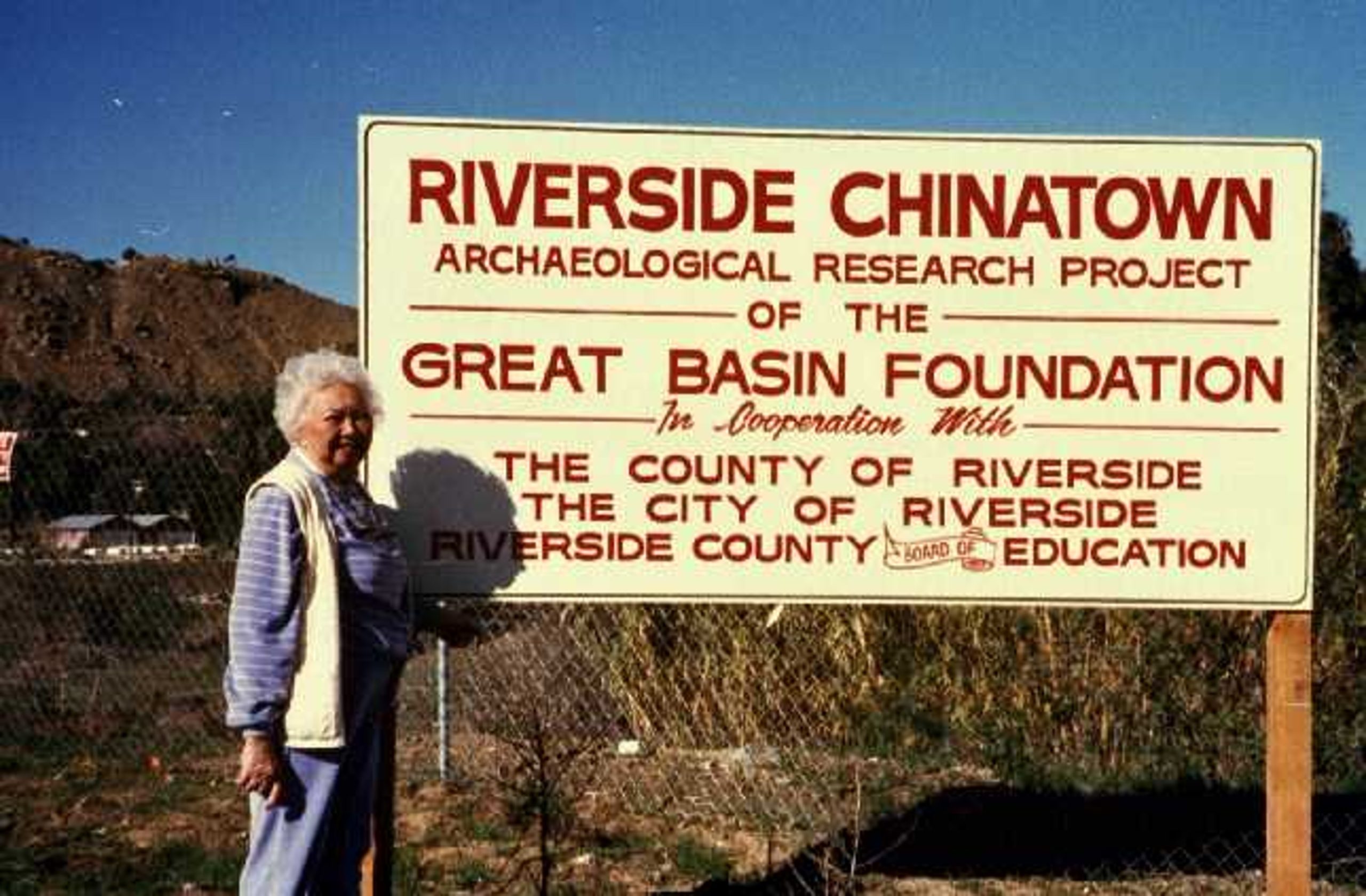
Participation in Riverside Chinatown Dig
CHSSC participates in Riverside Chinatown archaeological dig, and in a Chinatown Symposium and community parade led by Angi Ma Wong.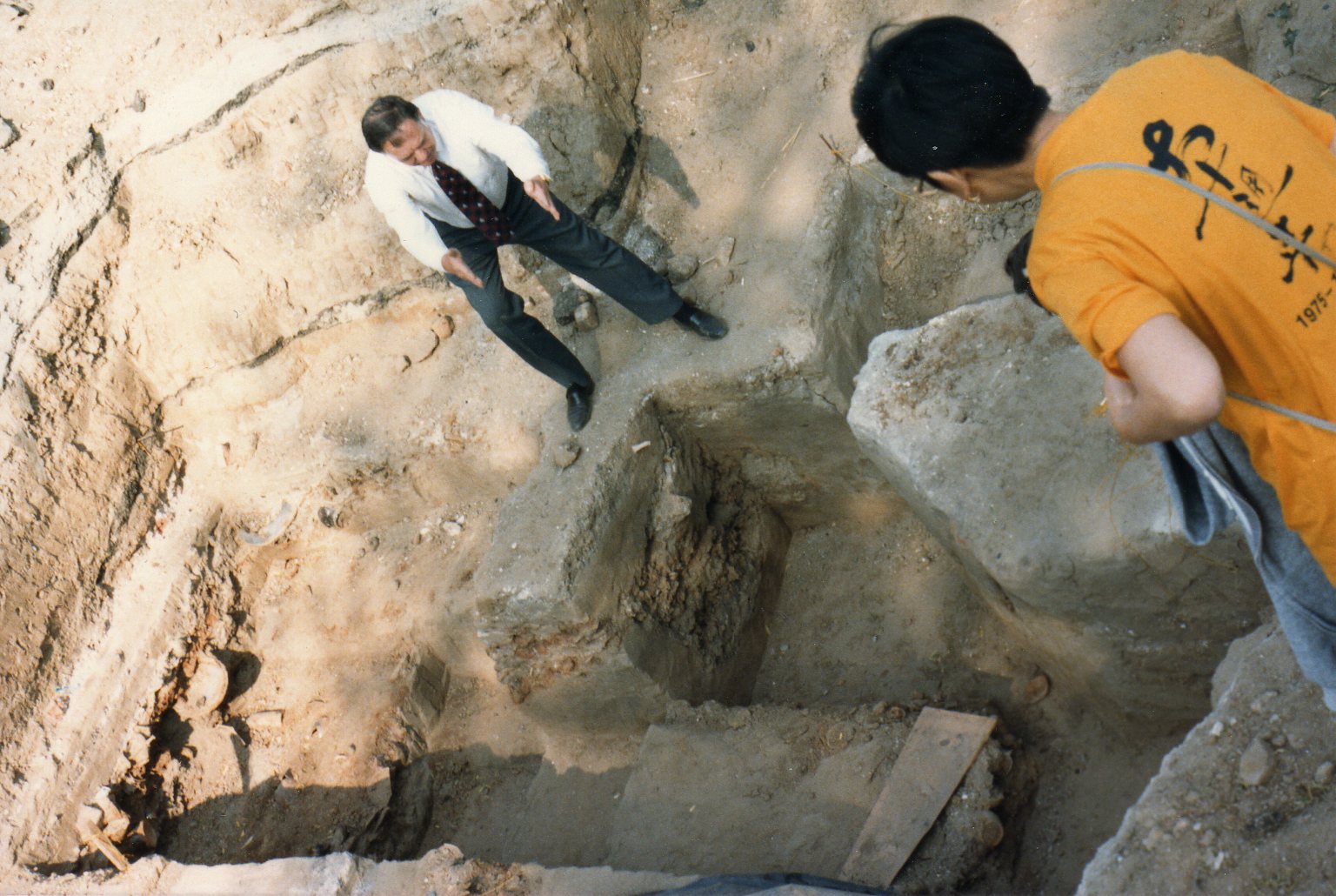
1986
Events
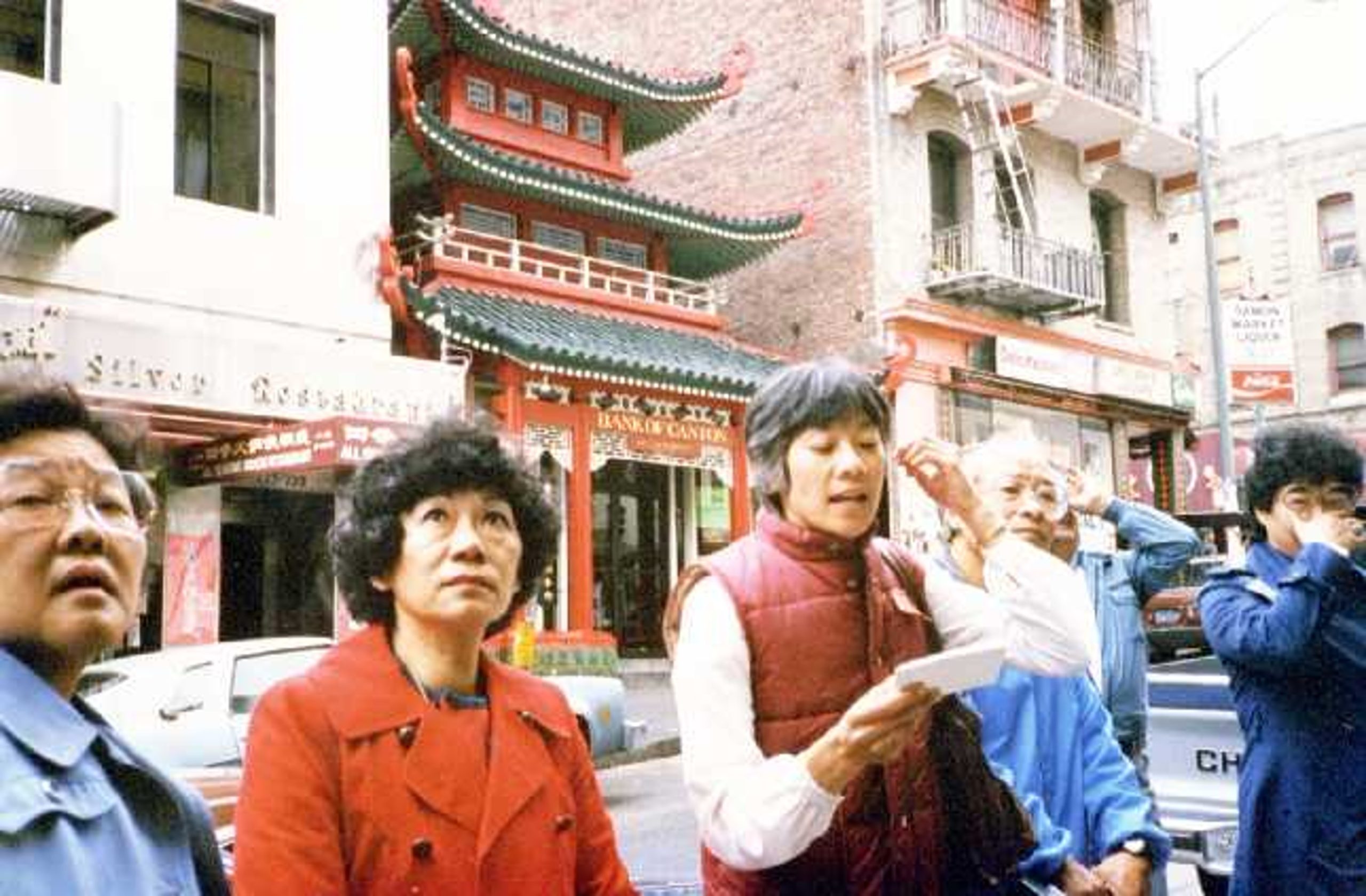
CHSSC along with the Chinese Historical Society of America organize a field trip to San Francisco to visit Chinese American sites.
 Fashion Show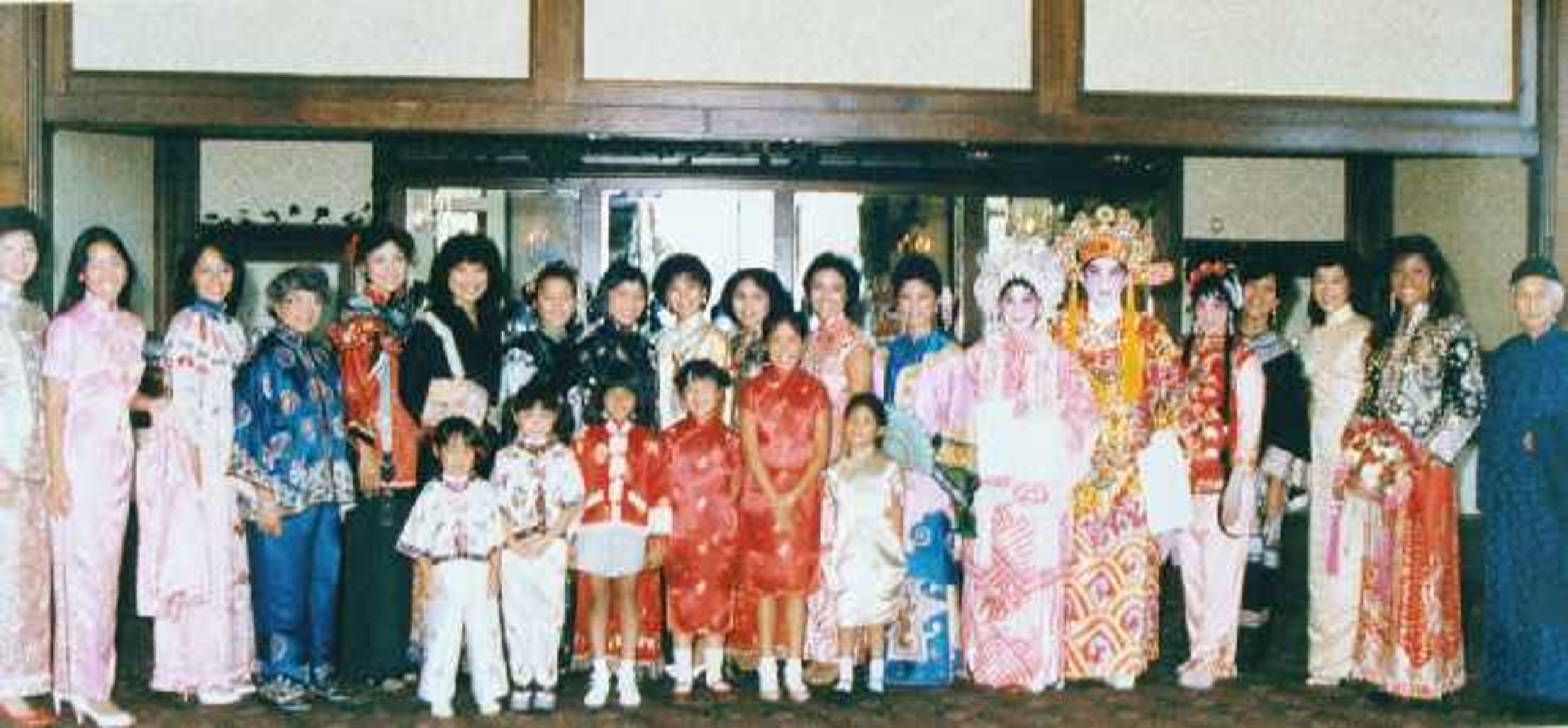
1987
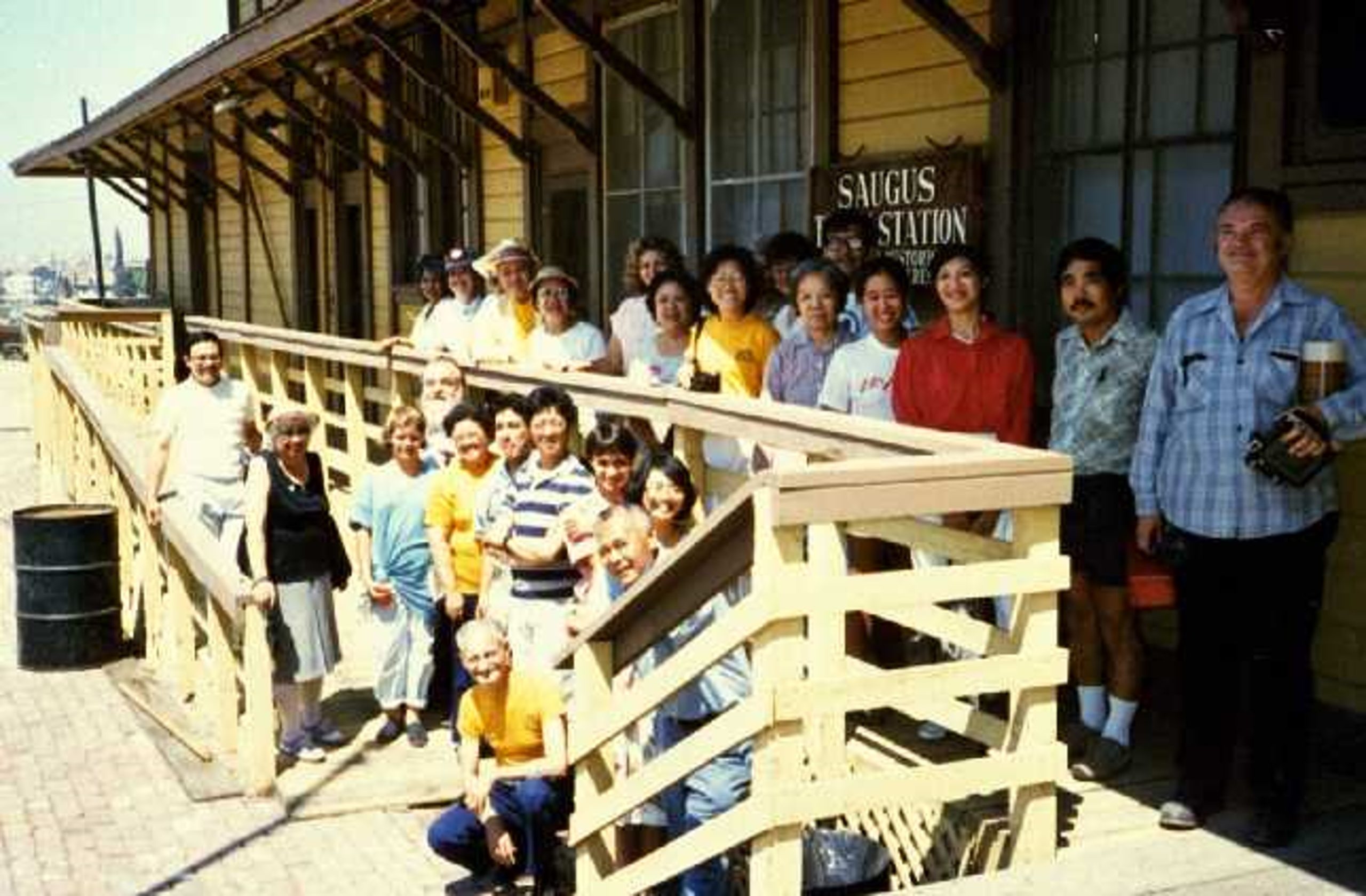
Field Trips
Saugus Station
Riverside
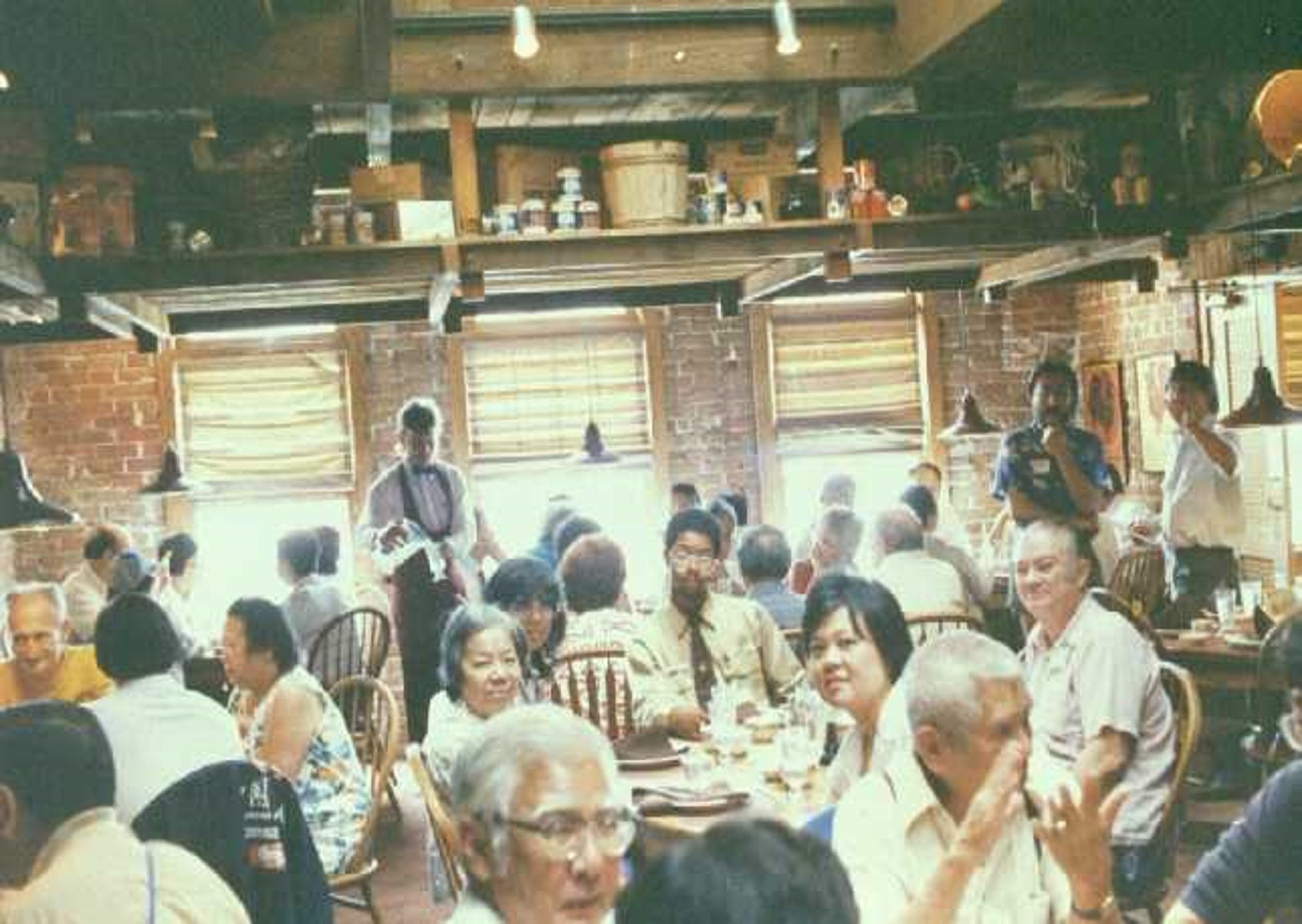
Gold Rush Tour - Visalia, Tulare and Hanford
Participants enjoyed a special banquet at the Imperial Dynasty prepared by famed chef Richard Wing.
1988
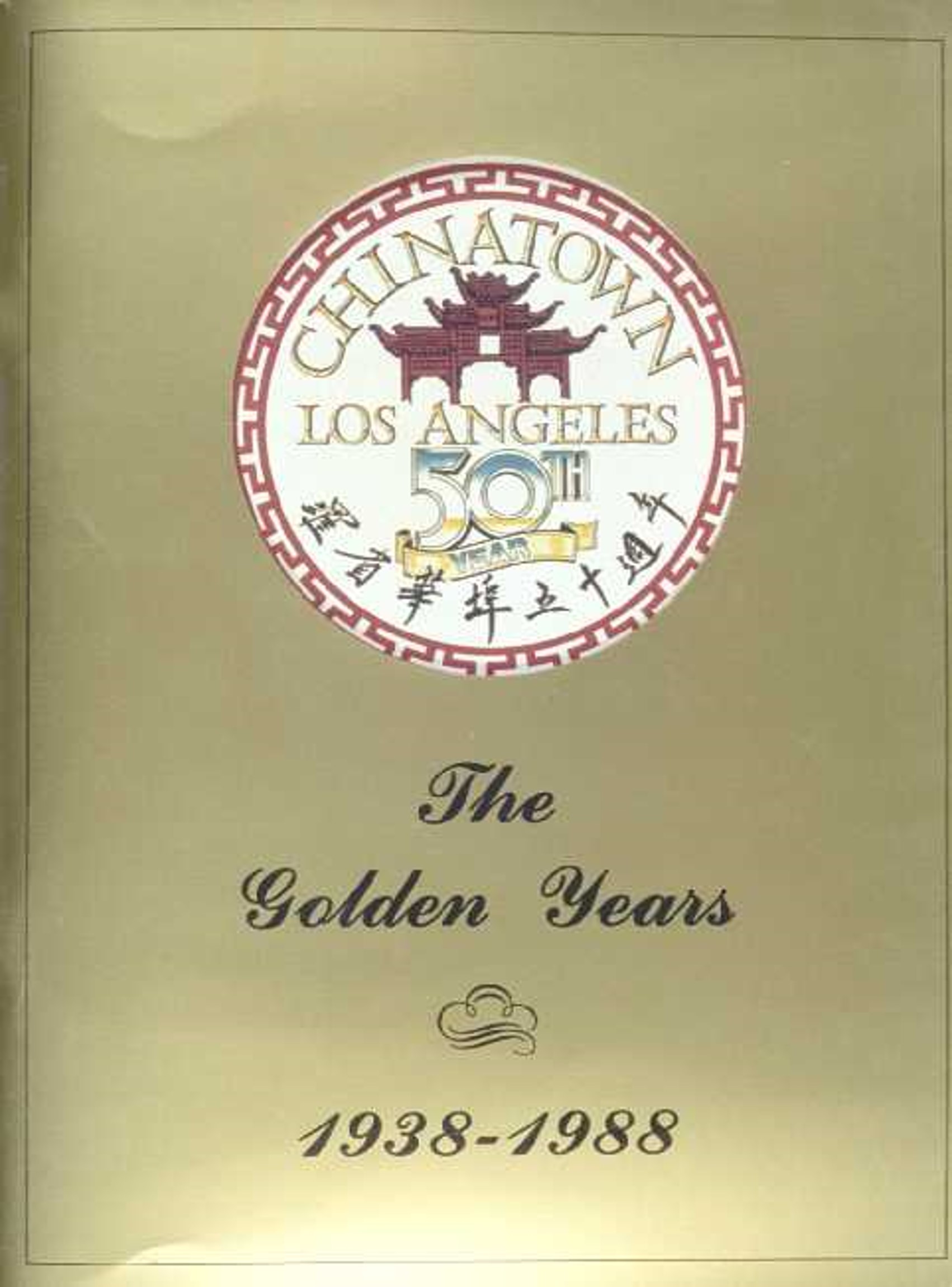
50th Anniversary Celebration of New Chinatown
CHSSC helps organize this celebration and co-publishes The Golden Years commemorative booklet.
1989
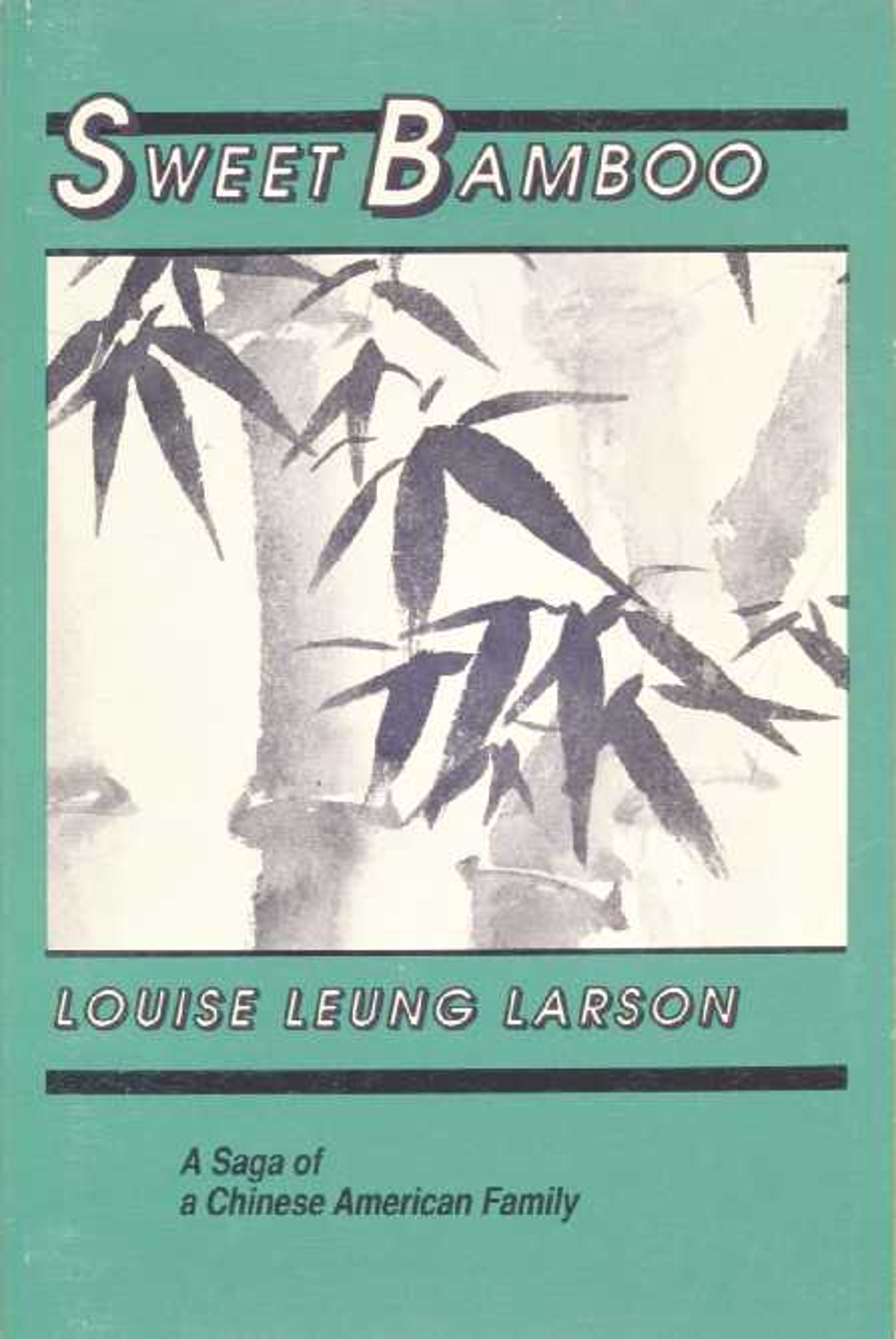
Sweet Bamboo Published
CHSSC publishes Sweet Bamboo (by Louise Leung Larson), which chronicles the Leung family's history.
1990
Moon Festival Revival
CHSSC helps revive the Moon Festival celebration in Los Angeles Chinatown.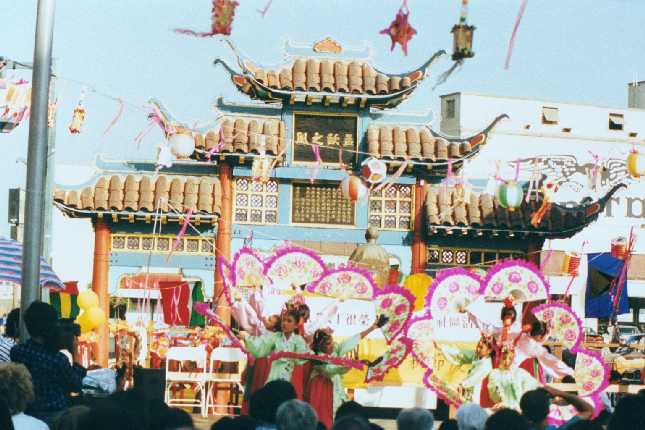 CHSSC organizes a second tour of 19th century Chinese American sites in the Mother Lode.
1992
Purchased and Restored a 19th Century Shrine in Evergreen Cemetery
When the survival of the Chinese memorial shrine in historic Evergreen Cemetery was in question in 1990, the Chinese Historical Society of Southern California launched a campaign to preserve it for posterity.
The Shrine, built in 1888, is recognized as the earliest structural evidence of Chinese culture in Los Angeles and was declared Los Angeles Historic-Cultural Monument No. 486 on August 31, 1990. Taking further action to protect the endangered monument, the Chinese Historical Society, under Randy Bloch's leadership, purchased the Memorial Shrine and the land on which it stands on September 17, 1992 and begins restoration work.
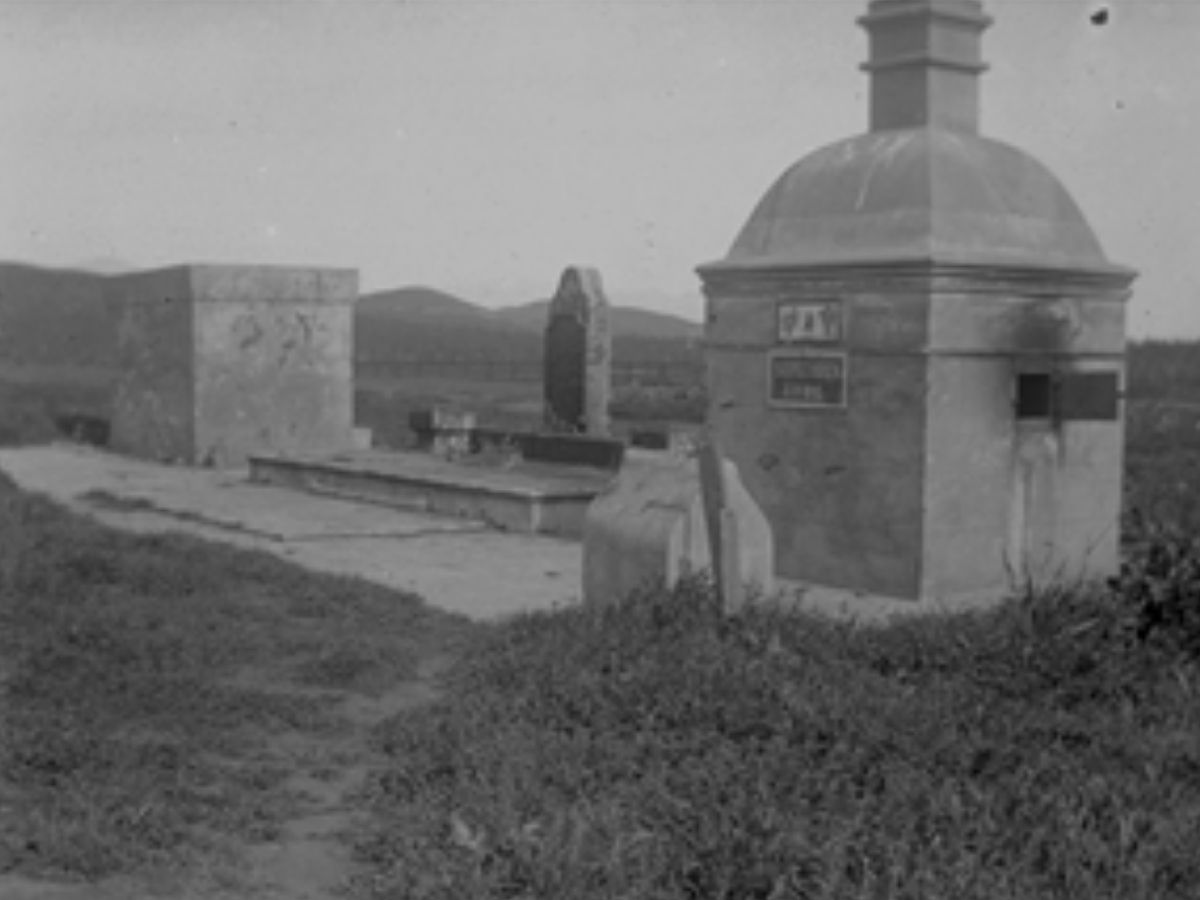
Under Randy Bloch's leadership CHSSC successfully obtains L.A. Historic-Cultural Monument status for a 19th century Chinese shrine in Evergreen Cemetery. CHSSC purchases the shrine and surrounding plots and begins restoration work.
1992
Other Milestones
Led by Stanley Mu, CHSSC organizes a National Chinese American Studies Conference at California State University, Los Angeles.
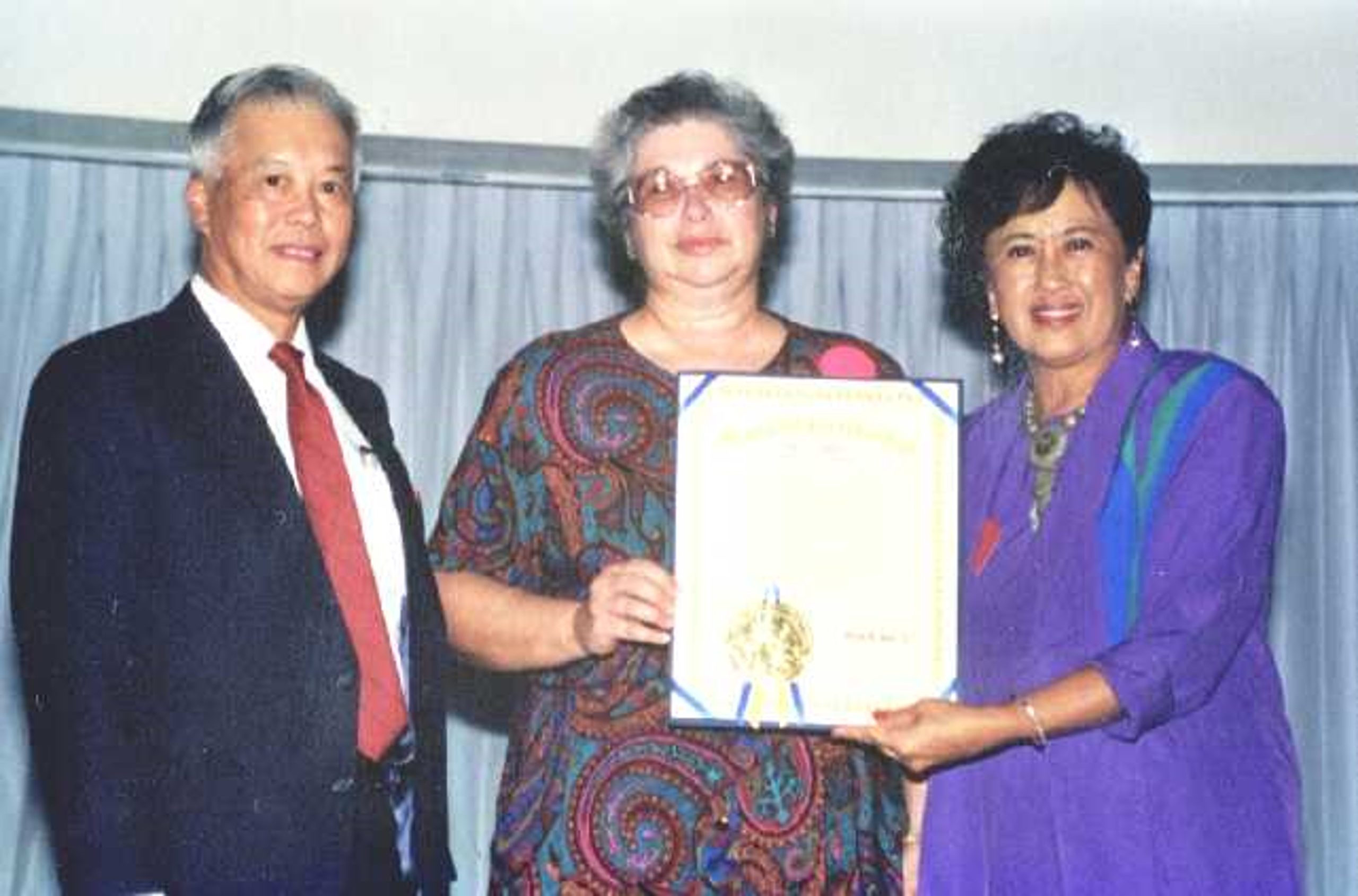
CHSSC awards its first scholarship for students pursuing research on Chinese American subjects
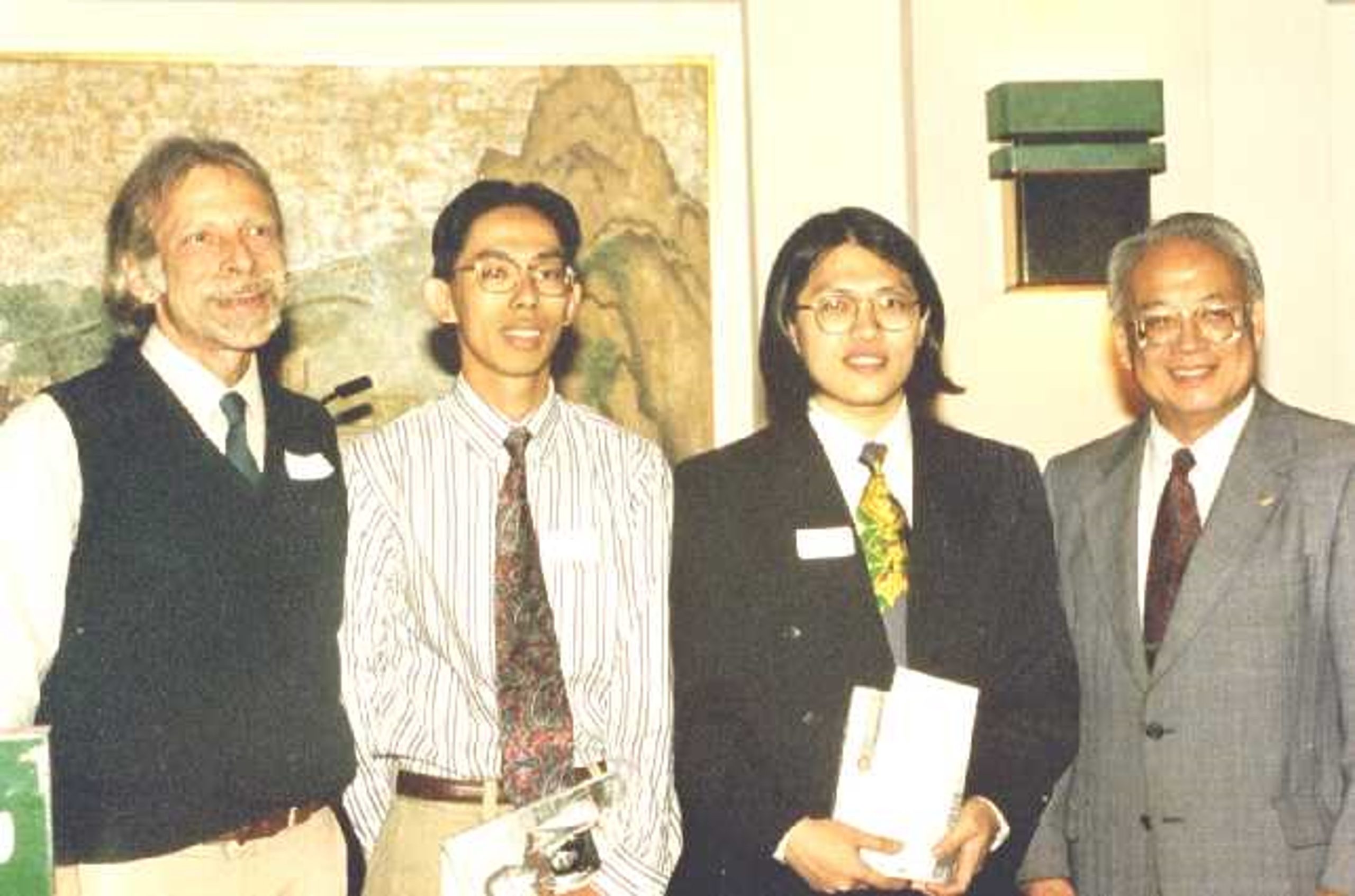
CHSSC co-sponsors the exhibit "Painting with Light: Life Achievements of James Wong Howe" on the Chinese American cinematographer.
1994
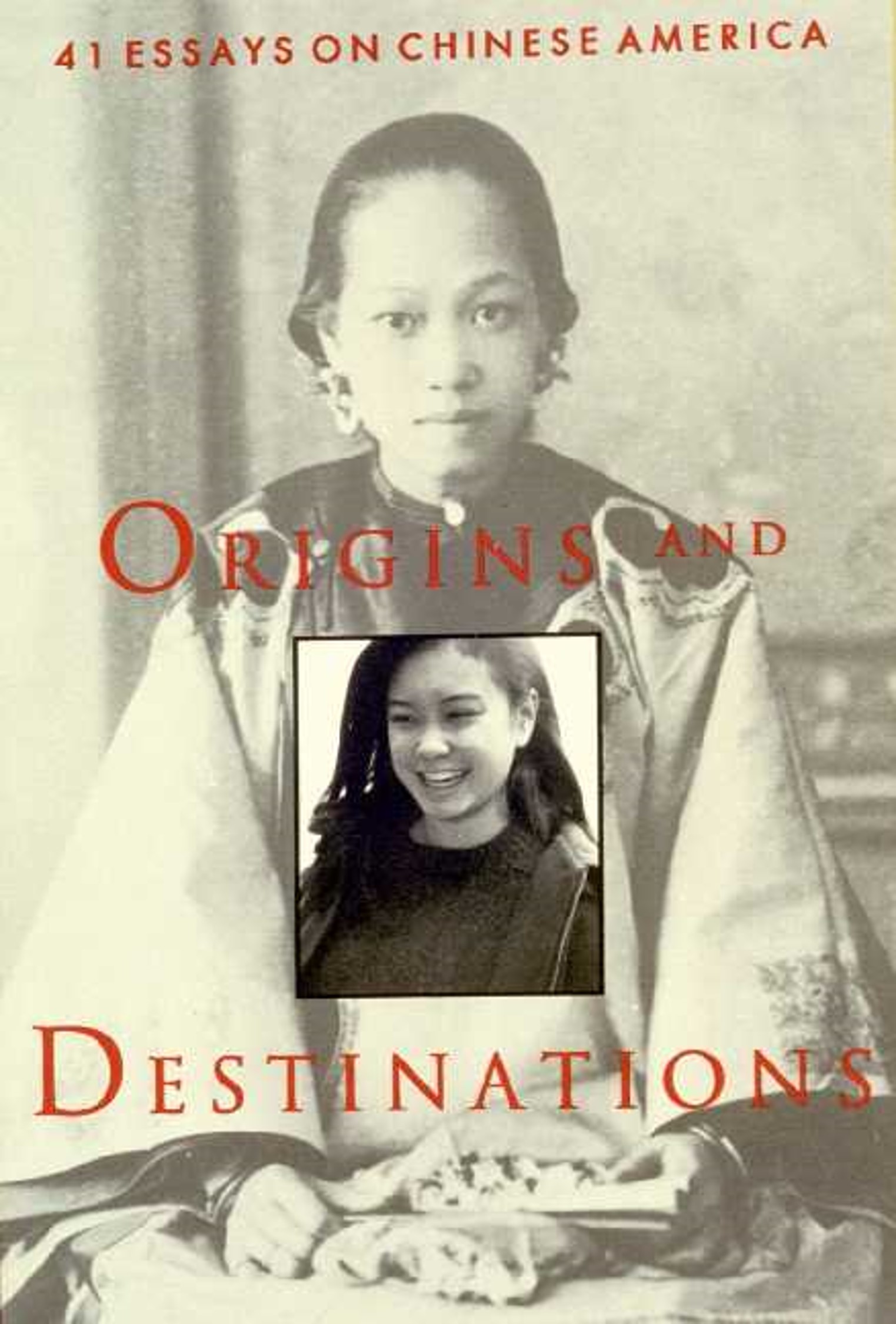
Origins and Destinations Published
CHSSC and the UCLA Asian American Studies Center co-publish this collection of papers from the 1992 conference.
1995
Established the Chinatown Heritage Center
CHSSC purchases two late 19th century Queen Ann style houses at 411 and 415 Bernard Street built by the Fritz family.
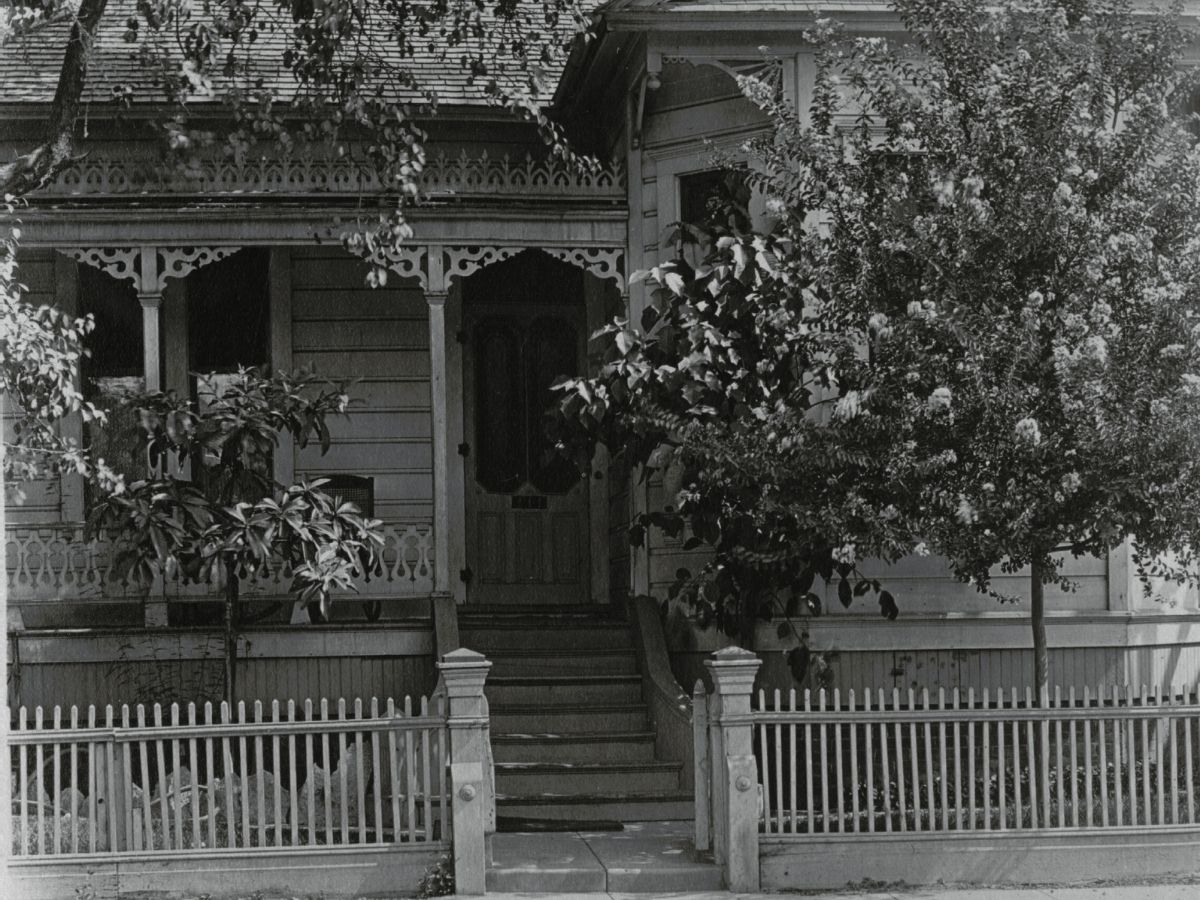
These houses become the Chinatown Heritage and Visitors Center, and permanent headquarters for CHSSC.
1995
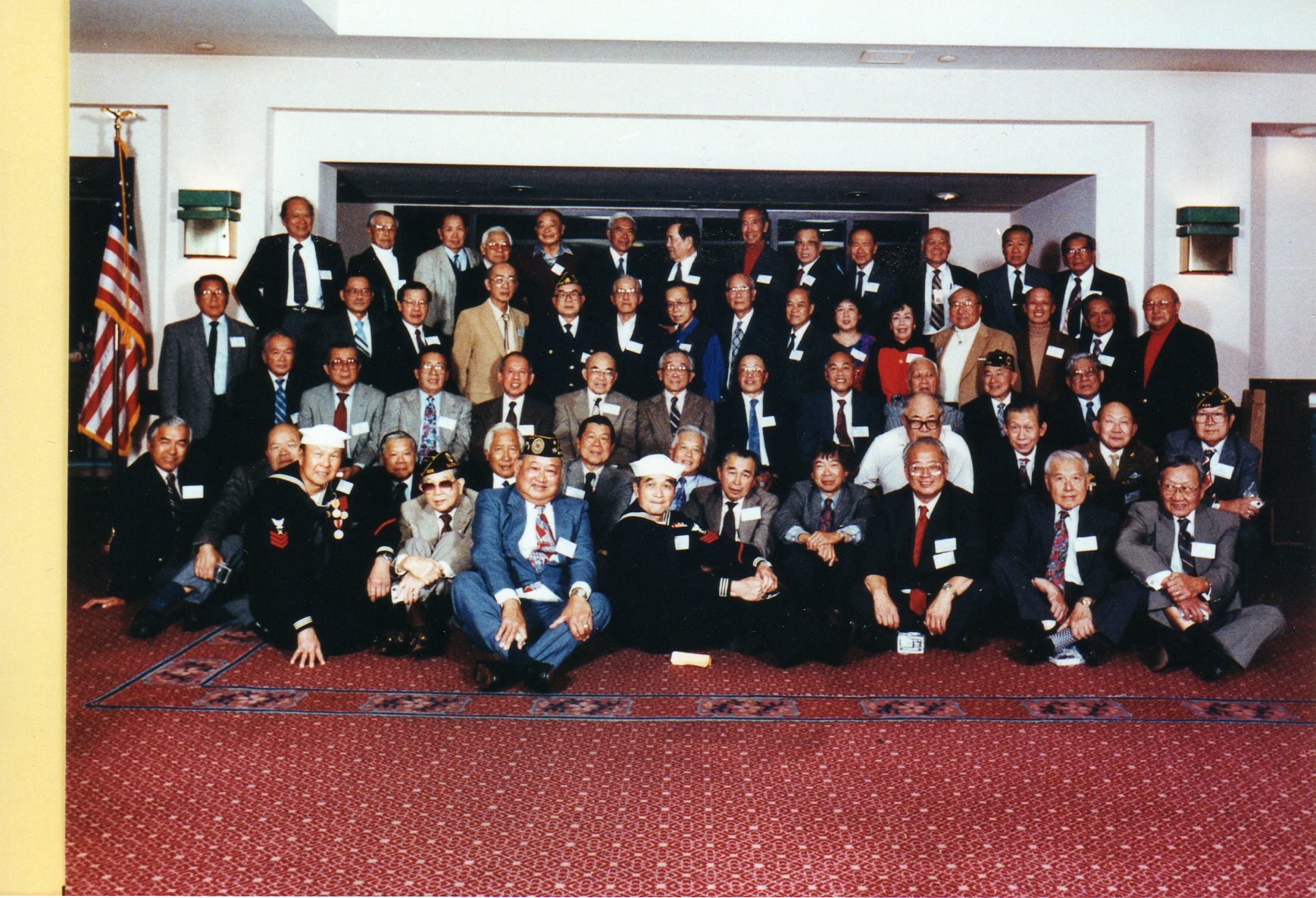
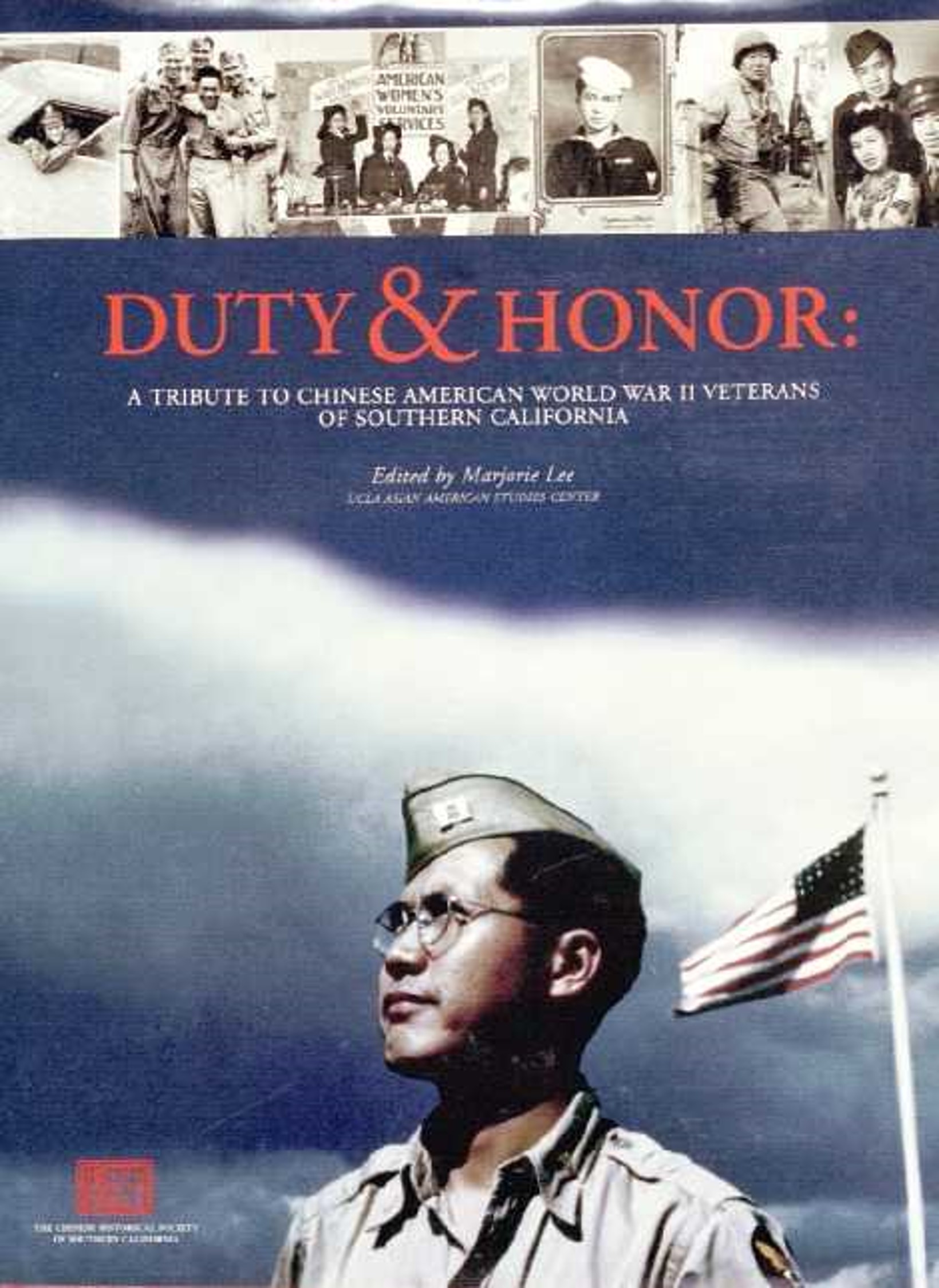
Start of the Duty and Honor Publication
CHSSC begins a three-year project to profile Chinese American WWII veterans from Southern California that culminates in the publication of this book (edited by Marjorie Lee).
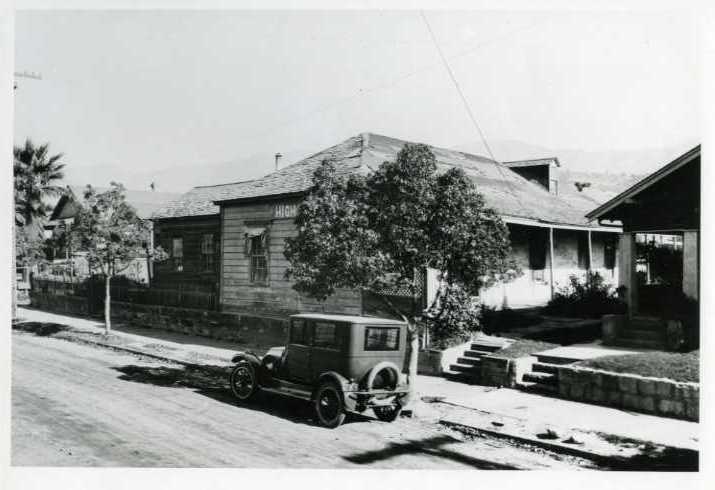
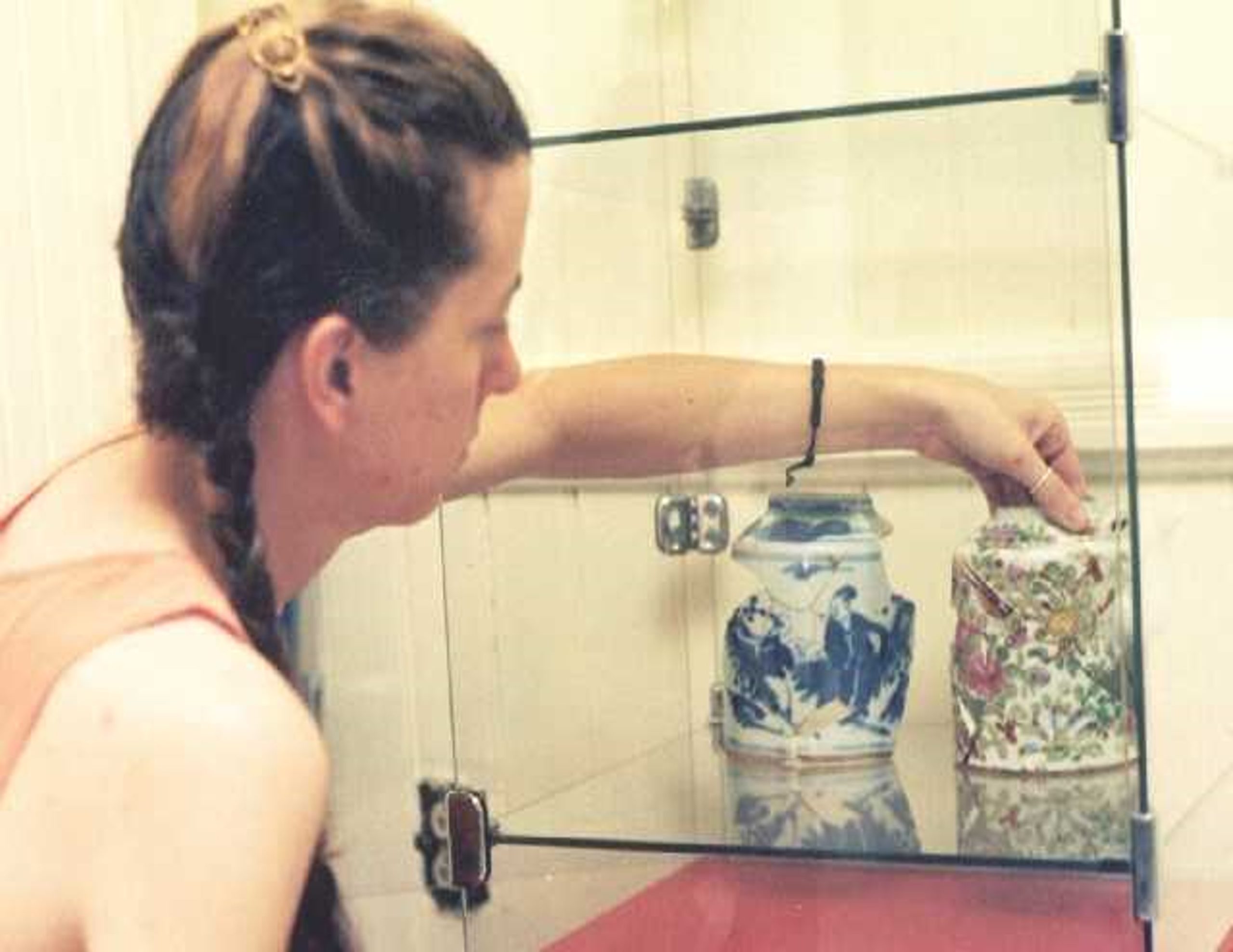
1996
Received Old Los Angeles Chinatown and High Lung Laundry (Santa Barbara) artifacts.
1996
CHSSC Receives Artifacts from Old Chinatown During the Extension of the Metro Red Line
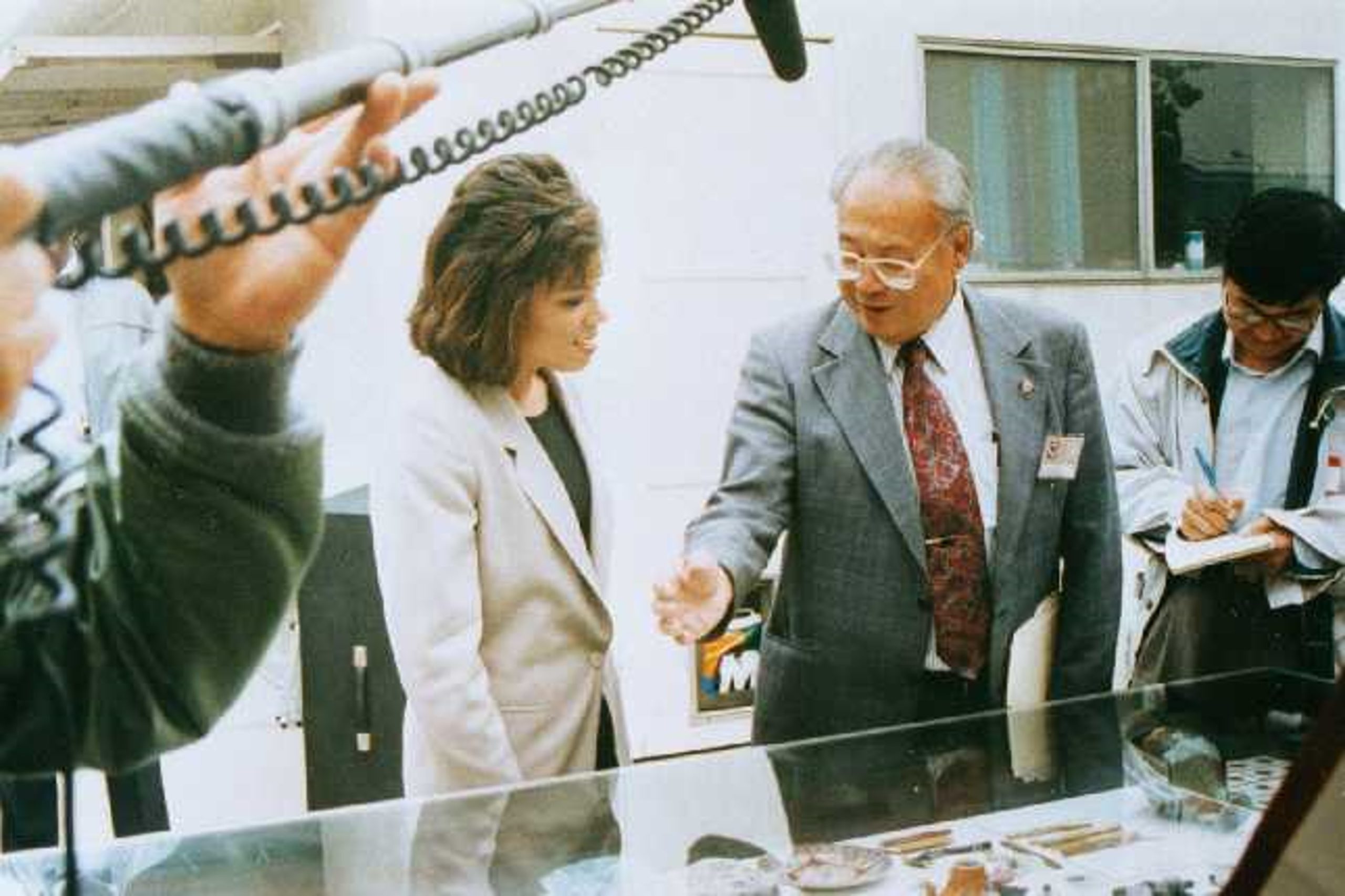
Irwin Lai talking to reporter.
1997
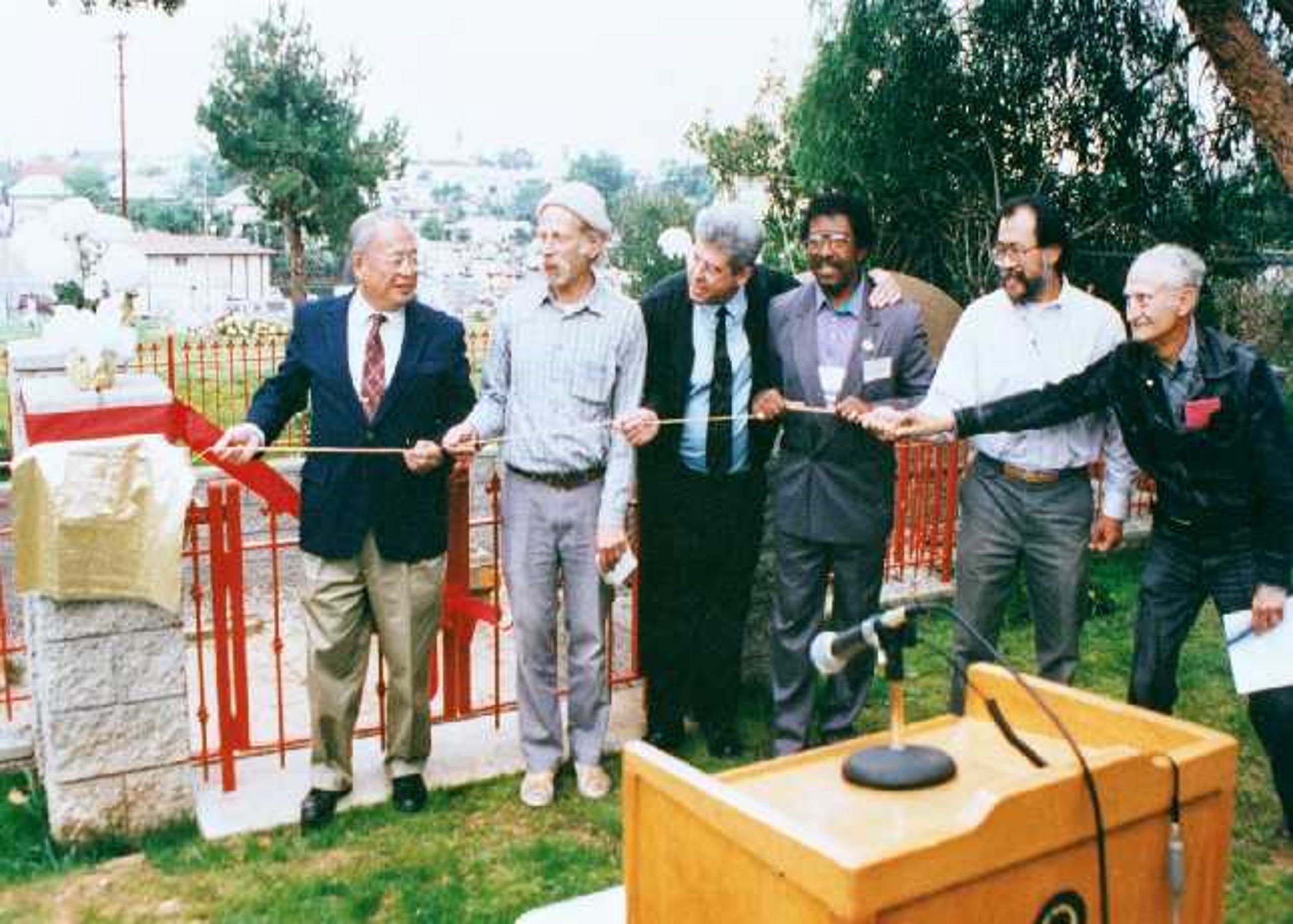
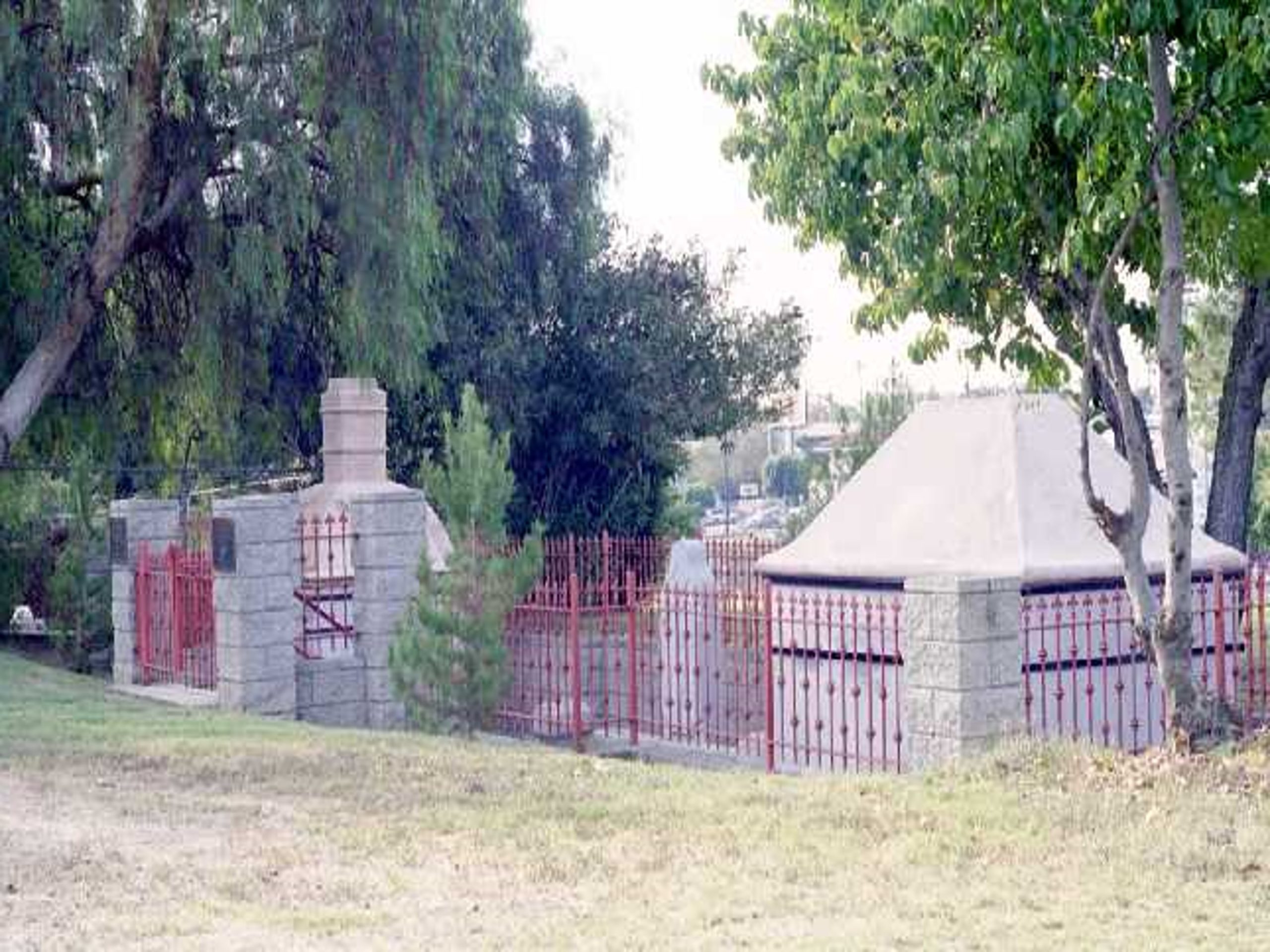
Completion of the 19th-Century Shrine Restoration
Phase One of the Chinese memorial's conservation–construction of a protective wall, wrought-iron fence, steps and a gate–was completed in June of 1995 through private donations and a grant from the City of Los Angeles Cultural Affairs Department.
Phase Two–reinforcing and refurbishing of the monument's structural elements and recreation of its center stone or stele– was completed in June, 1997.
CHSSC hosts the 19th-Century Chinese Memorial Shrine restoration completion and re-dedication ceremony.
1998-1999
Golden Spike
Field trip to Promontory, Utah to participate in the 130th anniversary of the driving of the Golden Spike that completed the Transcontinental Railroad.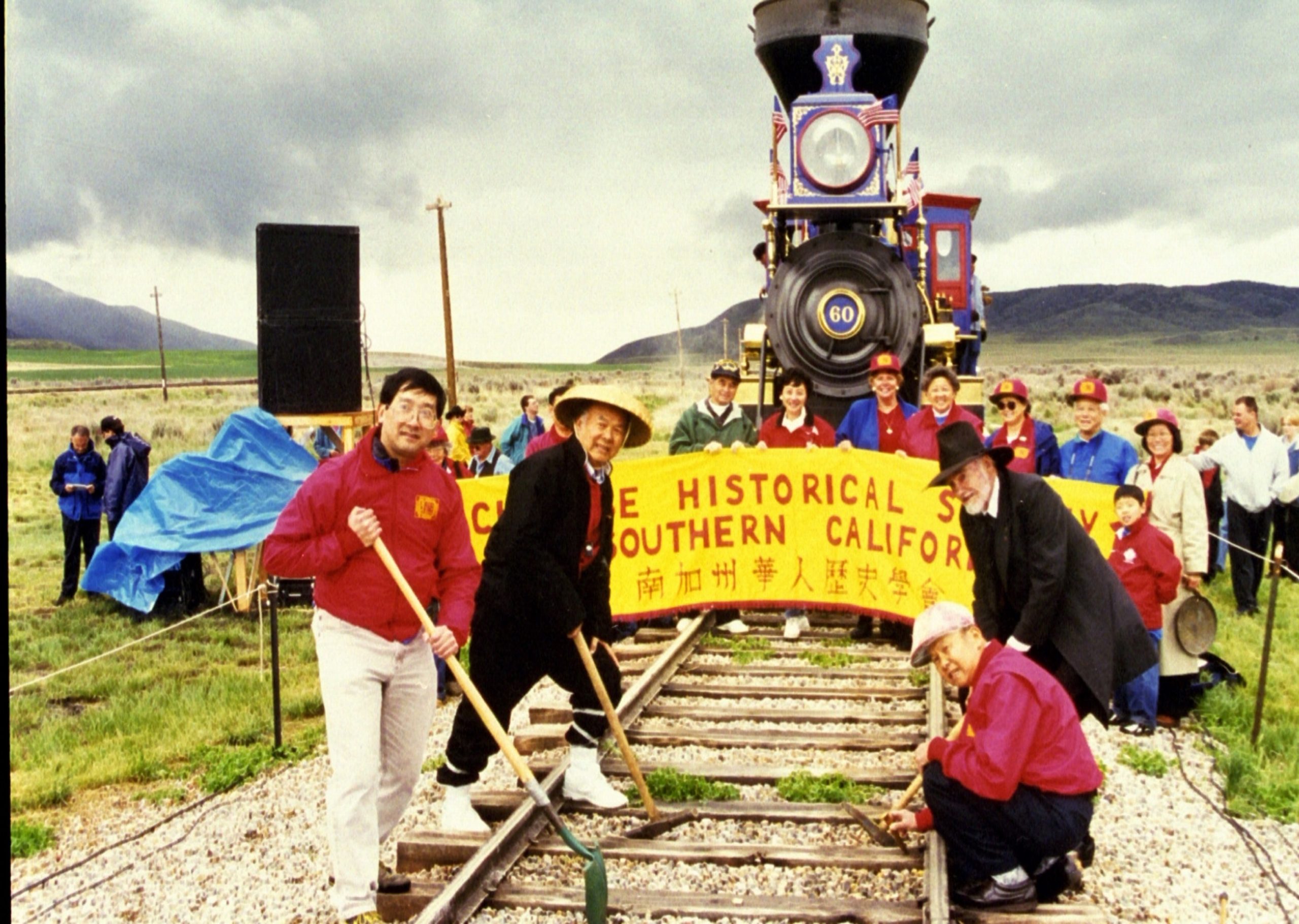
1999
Sixth Chinese American Studies Conference
CHSSC co-sponsors this conference at the University of San Diego.
2001
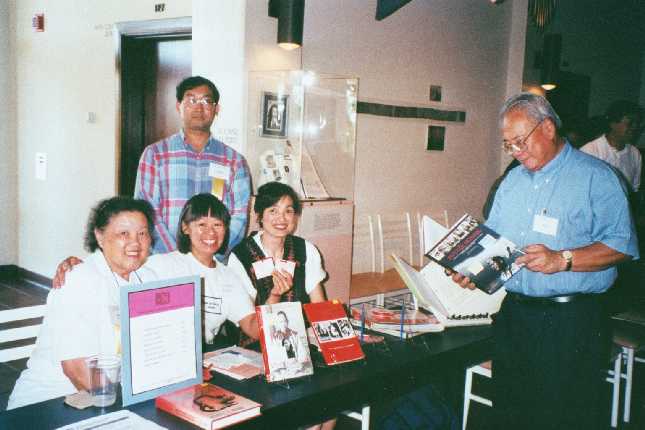
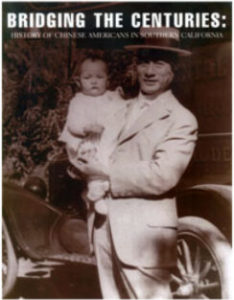
Bridging the Centuries Published
CHSSC publishes this book (edited by Susie Ling) that explores the history of Chinese Americans in Southern California.
2002
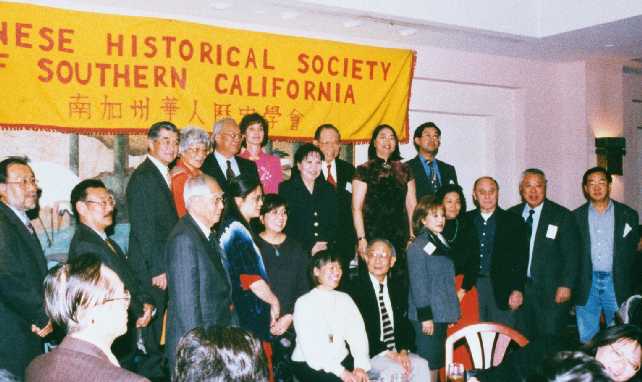
CHSSC Pays Off Mortgage
With the support and leadership of Dr. Wing Mar and L.P. Leung, CHSSC pays off the mortgage for its new home after only seven years.
2004
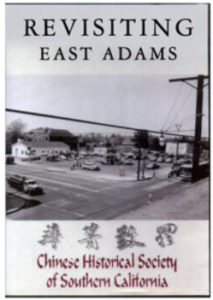
Revisiting East Adams Film Produced
Revisiting East Adams captures the history of a Chinese community in downtown Los Angeles from the 1930s to 1950s.
2004
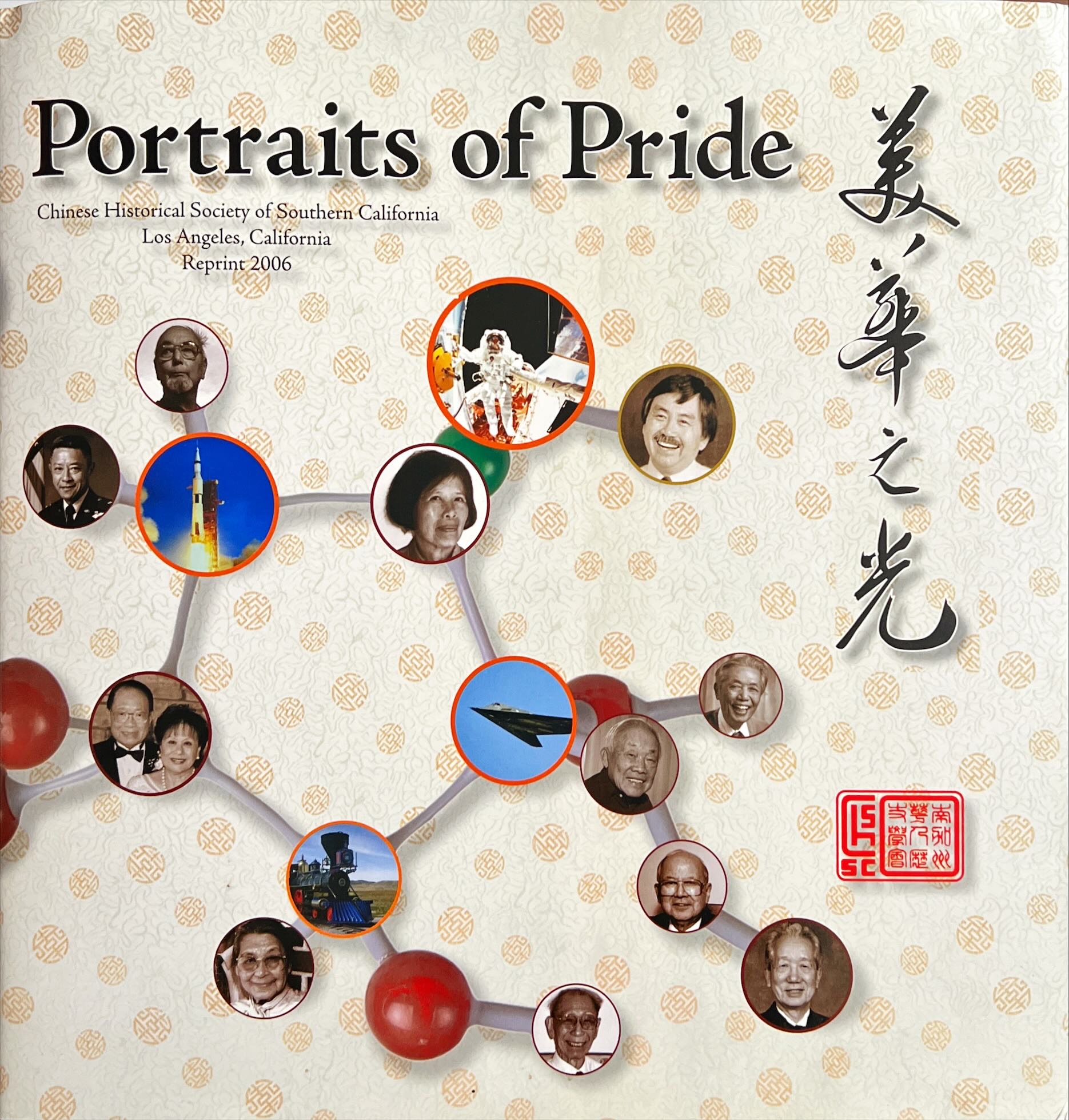
Portraits of Pride Published
CHSSC publishes this book, spearheaded by Dr. Wing Mar, that contains profiles of extraordinary but relatively unknown achievements of over three-dozen Chinese American scientists, engineers, medical practitioners, artists, and education and business leaders from California.
2006
MTA Gold Line Construction Concerns
CHSSC becomes involved in the disposition of the disinterment of 128 burials, and artifacts, during the construction of the Metro Gold Line. Of the 128 human remains, 19 were identified as Asian.
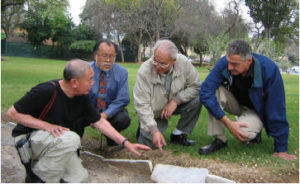
CHSSC is notified that Chinese headstones were lining the driveway next to the crematorium at Evergreen Cemetery.
2008
Chinatown Remembered Project Completion
CHSSC completes this oral history project, exploring life in Los Angeles Chinatown during the 1930s and 1940s. Final product includes a booklet and a website. Among participants were CHSSC volunteers and students from the University of California Los Angeles.
2009
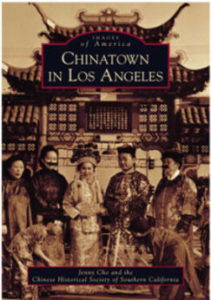
Chinatown in Los Angeles Published
CHSSC publishes this book (by Jenny Cho) with historic images of the multiple incarnations of Los Angeles Chinatown.
2010
CHSSC Participates in the MTA Dedication of the Memorial Wall at Evergreen Cemetery
The Memorial Wall honors those who were disinterred during the construction of the Metro Gold Line.
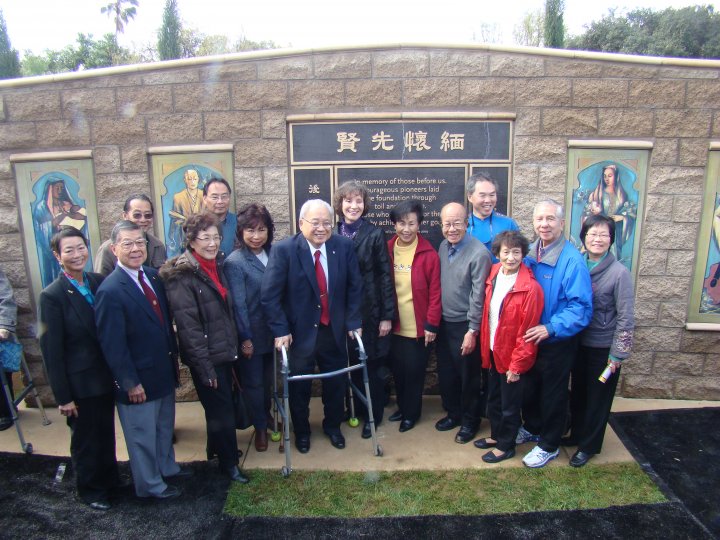
Photo by O.C. Lee
2011
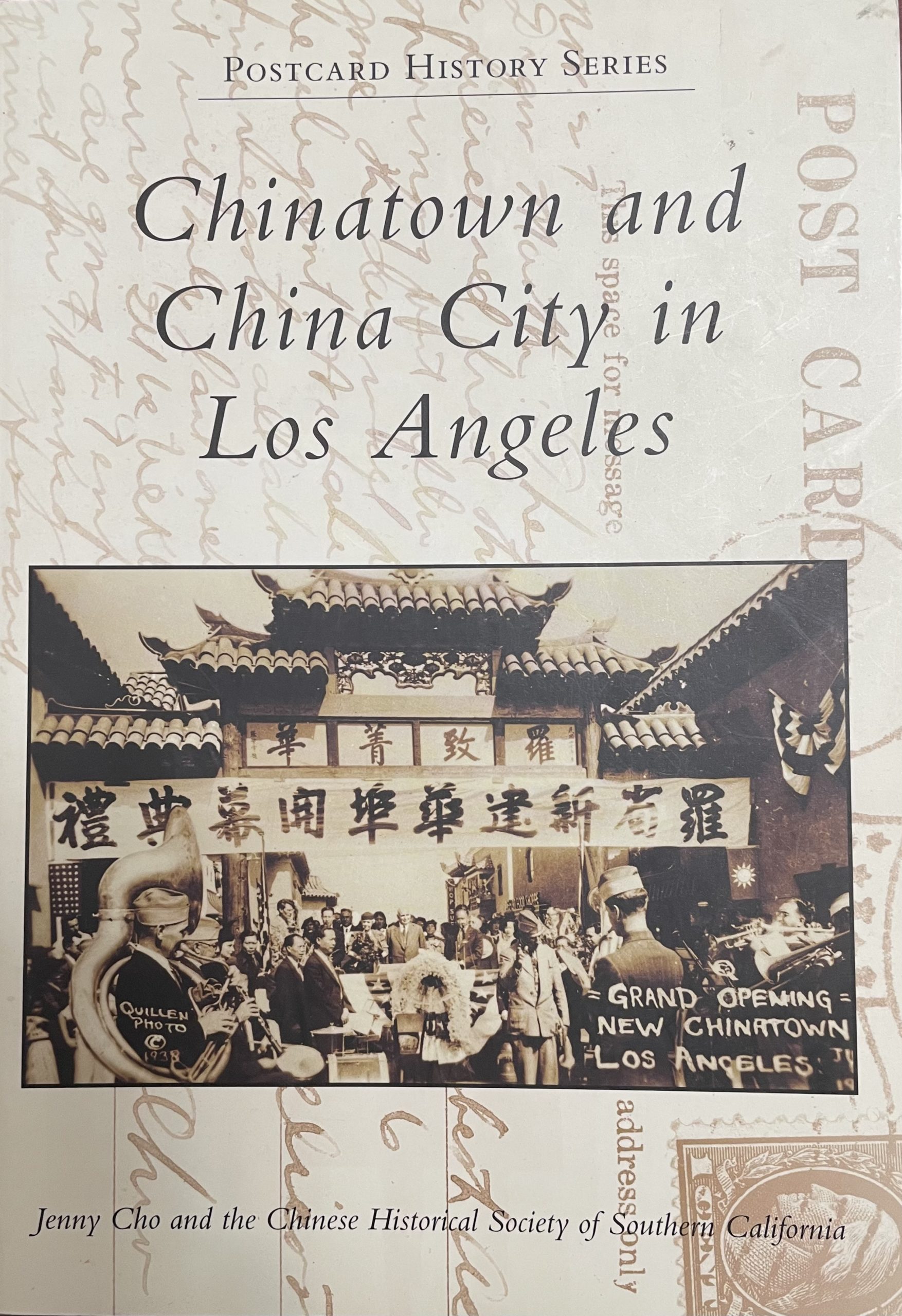
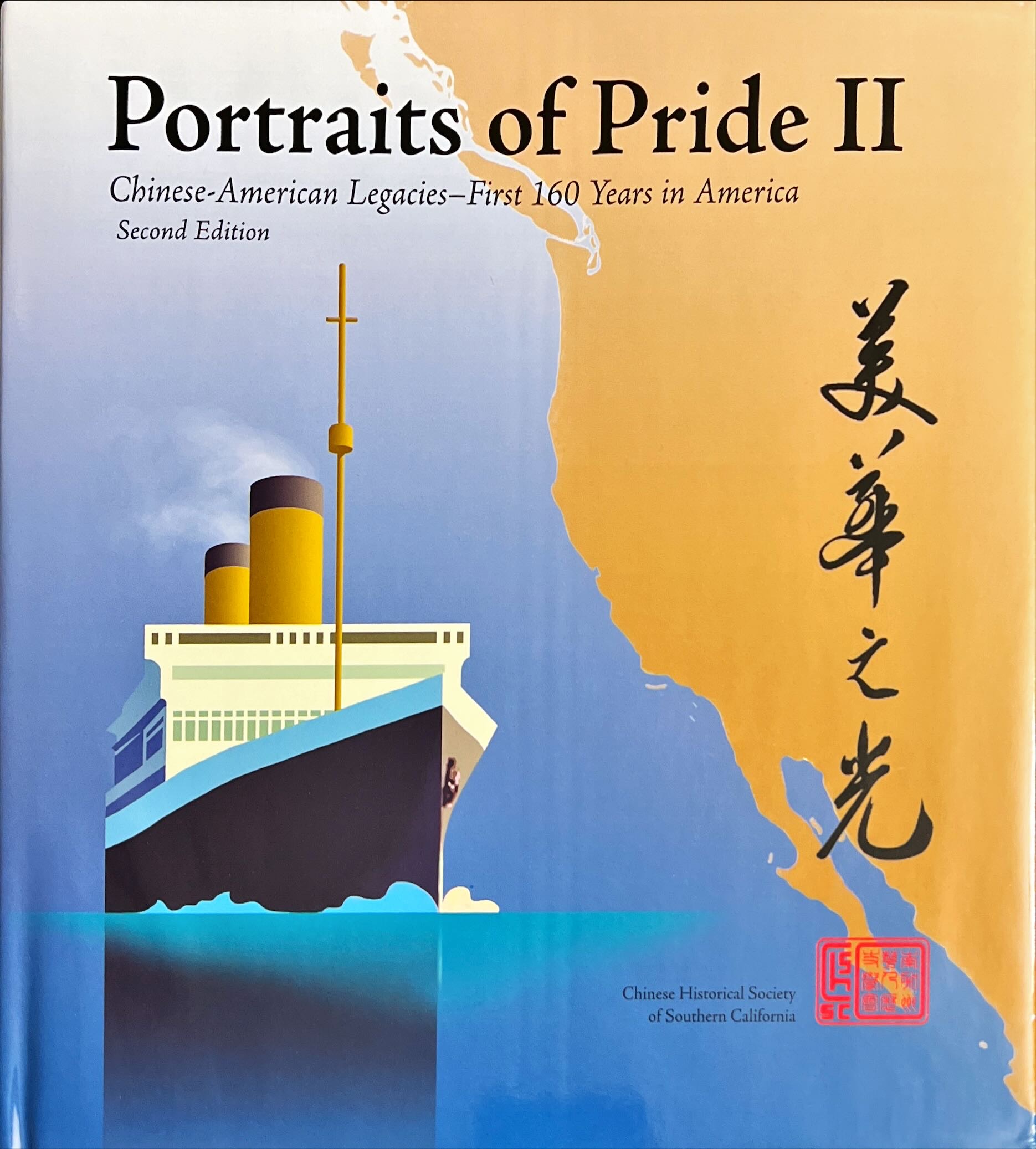
Chinatown and China City in Los Angeles and Portraits of Pride II published
CHSSC publishes Chinatown and China City in Los Angeles (by Jenny Cho), which focuses on "New Chinatown"
and Portraits in Pride II, directed by L.P. Leung, which profiles prominent Chinese American individuals throughout the United States.
2013
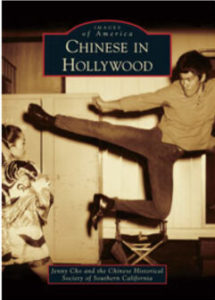
Chinese in Hollywood Published
CHSSC publishes this book (by Jenny Cho) with historic images of Chinese Americans involved in them film industry.
2013
First Pilgrimage to Yosemite National Park
CHSSC helps organize this trip, which includes hikes to Sing Peak (named after Chinese mountain cook Tie Sing), to roads built by Chinese, and to a historic hotel where a Chinese chef worked.
Sing Peak named for Tie Sing pictured below.
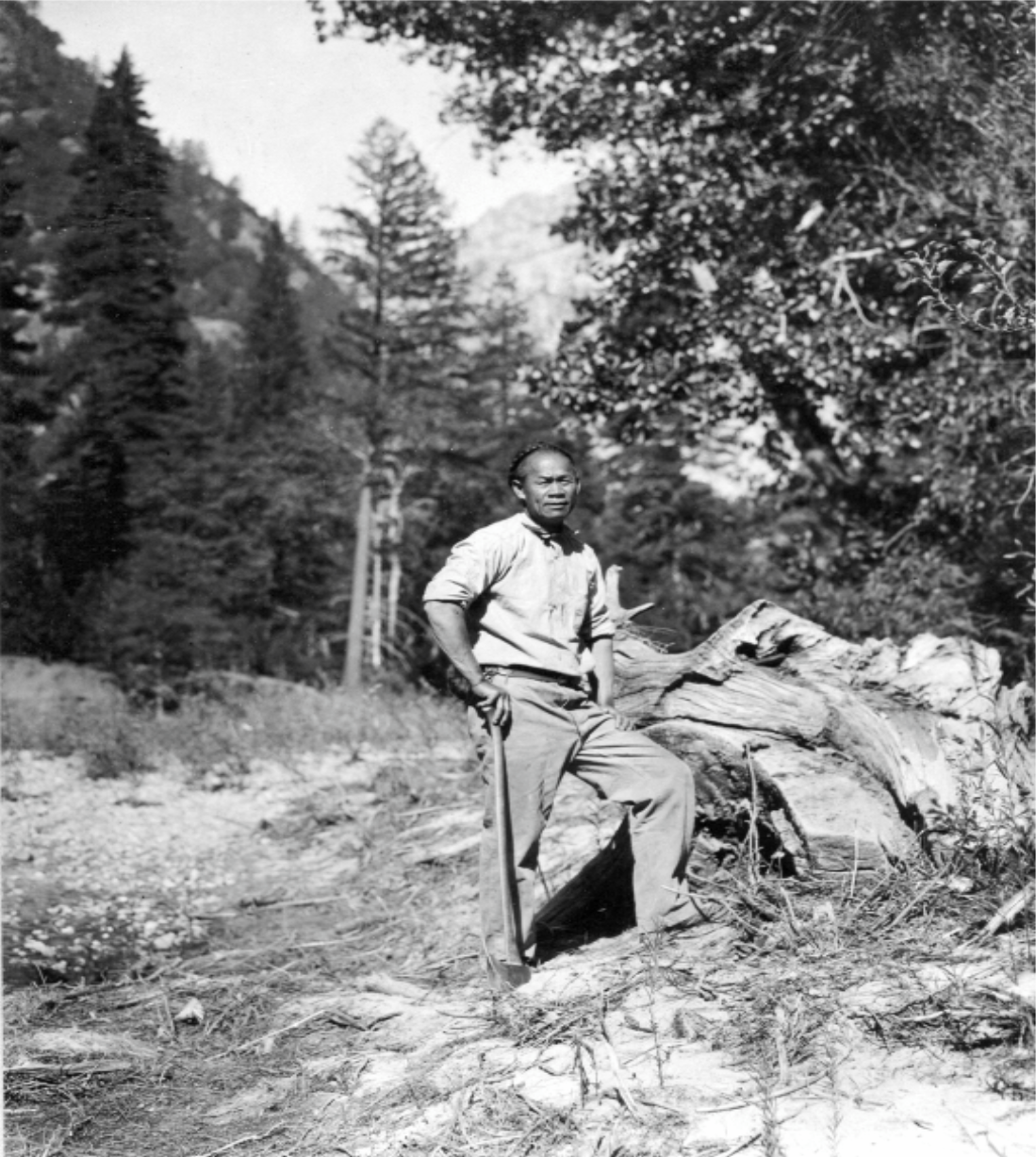
Photo: United States Geological Survey
2014
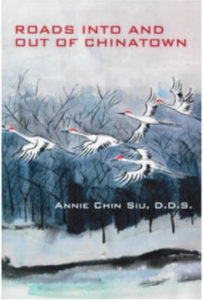
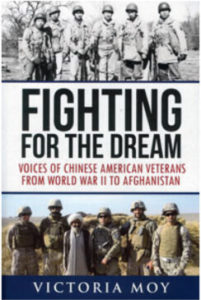
Roads Into and Out of Chinatown
CHSSC publishes Roads Into and Out of Chinatown (by Dr. Annie Siu), an autobiographical account of a Chinese American dentist, and Fighting for the Dream ( by Victoria Moy), a collection of oral histories from Chinese American veterans.
2018
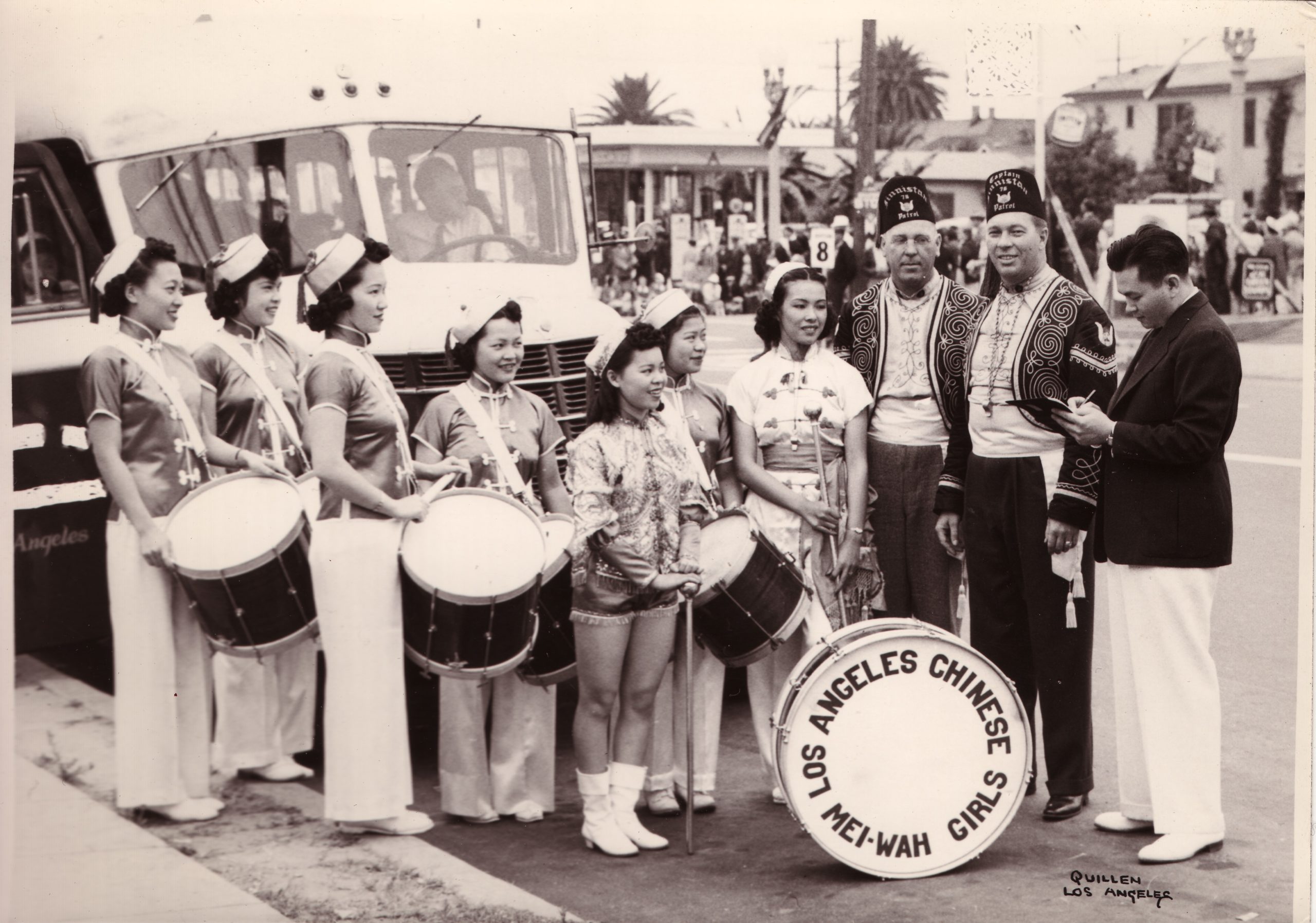
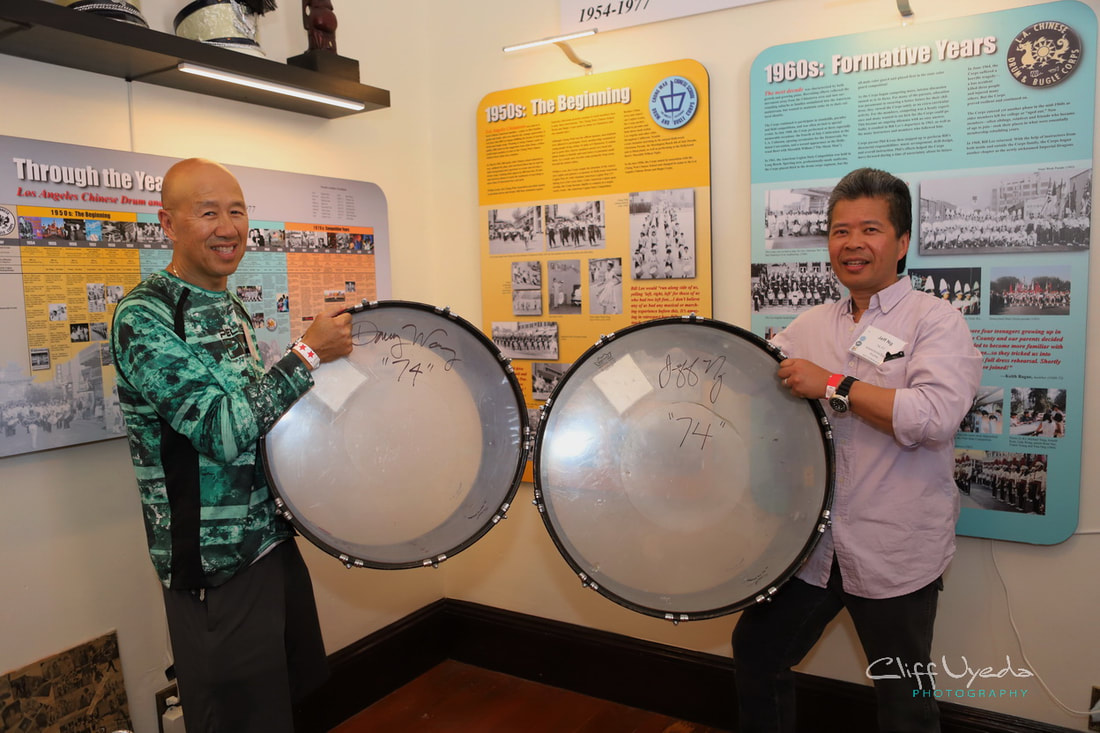
Opening of Drum and Bugle Corps Exhibit at Chinatown Heritage Center
2018
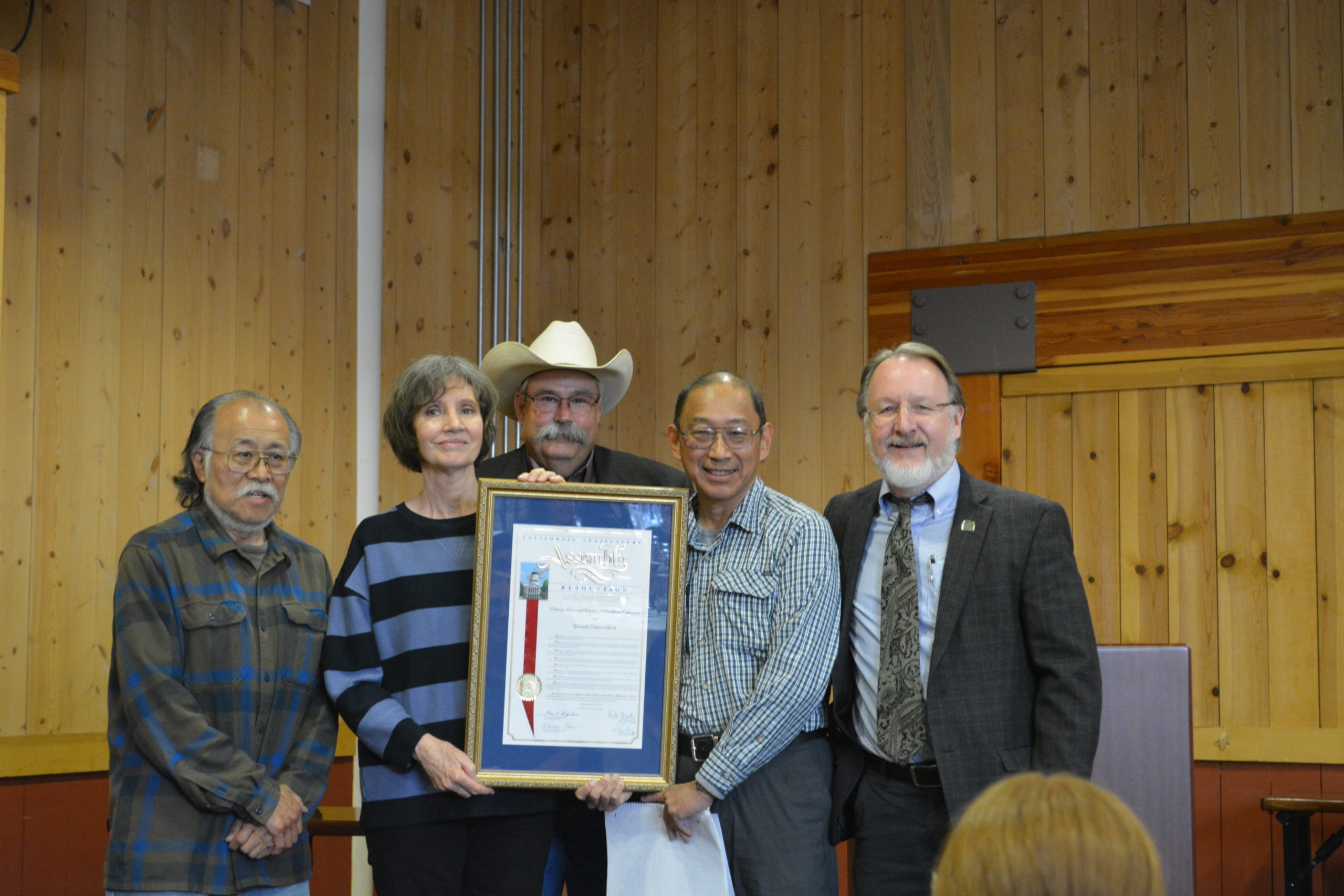
Yosemite Proclamation
Assemblyman Frank Bigelow (5th Assembly District) presents CHSSC and Yosemite National Park with a proclamation that recognizes and honors Chinese contributions and the important role the Chinese played in the history of Yosemite National Park and the Sierra Nevada.
2018
Partnership with National Archives Riverside
NARA to scan Chinese Exclusion Act Files.
2019
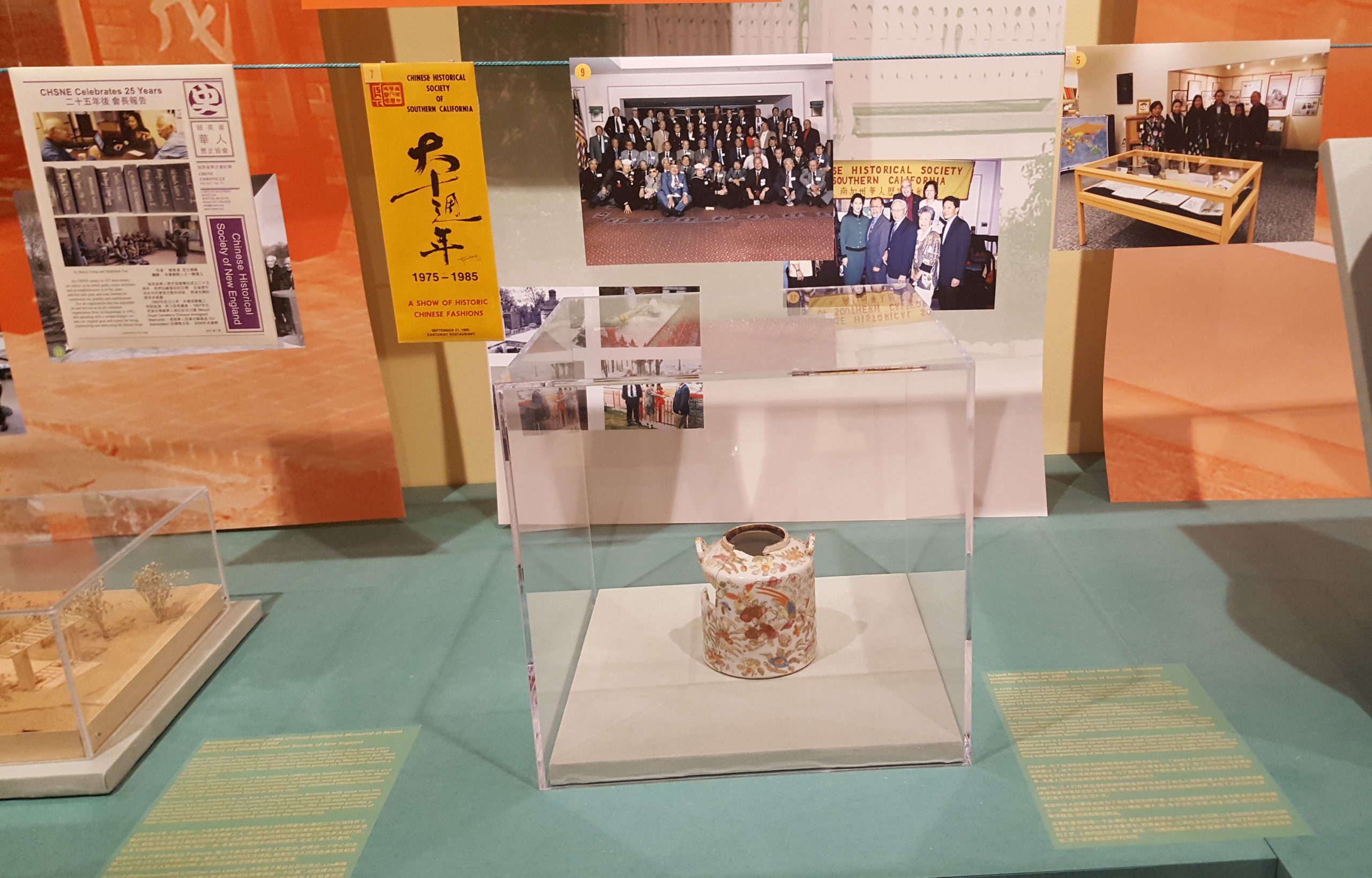
Museum of Chinese Americans in New York
Participated in exhibit: Gatherings: Collecting and Documenting Chinese American History
2021
October 1
Wawona
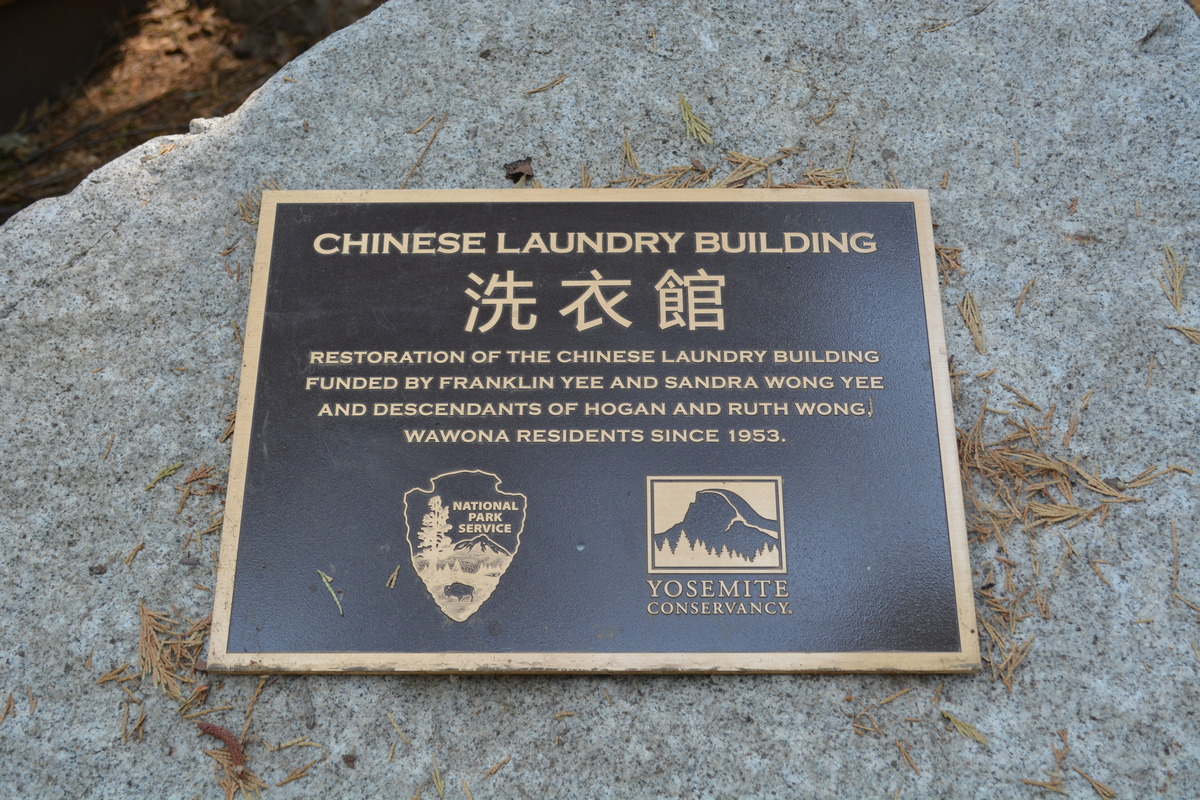
Dedication of Chinese Laundry Museum in Yosemite National Park